

The best time to visit Great Smoky Mountains National Park depends on what you value most. If you want fall foliage, October delivers the most dramatic color but also the heaviest crowds. For wildflowers and cooler hiking temperatures with thinner crowds, late April through May is the smartest choice. Winter offers solitude and budget rates, while summer suits families willing to trade heat and traffic for the widest range of activities.
- Great Smoky Mountains National Park welcomed approximately 12.2 million visitors in 2026, making it the most-visited national park in the United States, according to the National Park Service.
- October is peak foliage season and the park’s second-busiest month; September and November offer similar scenery with noticeably thinner crowds.
- July is historically the most crowded month; summer afternoon temperatures at lower elevations regularly exceed 90°F while higher elevations stay in the 60s and 70s.
- Winter (December through February) is the least crowded season and offers the most budget-friendly cabin rates, though some roads and trails close seasonally.
- Spring brings synchronous firefly viewing at Elkmont (lottery-based, 120 vehicle reservations per night at $29 each) and the park’s most vivid wildflower displays.
- 62% of Great Smoky Mountains visitors pass through Gatlinburg, making proximity to the park entrance a key factor when choosing where to stay.
What Is the Best Month for Great Smoky Mountains?
The single best month to visit Great Smoky Mountains National Park is October for scenery, or May if you want a quieter, more affordable trip with excellent hiking conditions. October delivers peak fall foliage, with color change beginning at higher elevations in late September and moving down the mountainsides through early November. May rewards hikers with rhododendron blooms along the Alum Cave Trail, mild temperatures in the 60s and 70s, and significantly lighter crowds than midsummer or fall peak weeks.
For families planning around school calendars, mid-June and the week after Labor Day hit a reasonable balance: kids are on break, peak summer chaos has either not started or just ended, and trail conditions remain good. Photographers specifically should target mid-October mornings for peak foliage combined with the low-angle golden light that rolls through gaps like Newfound Gap Road before 9 a.m.
Budget travelers get the clearest win in January and February. Cabin rates across Gatlinburg drop substantially, the park is quiet, and occasional snowfall transforms the ridgelines into something genuinely spectacular. Just check road conditions before heading up, since the Roaring Fork Motor Nature Trail and the road to Kuwohi close in winter.
| Season | Crowd Level | Typical Low-Elevation Temp | Cost (Relative) | Best For |
|---|---|---|---|---|
| Spring (Mar: May) | Low to Moderate | 40°F: 70°F | Moderate | Wildflowers, hiking, fireflies (late May) |
| Summer (Jun: Aug) | Very High | 65°F: 90°F+ | High | Families, water activities, full park access |
| Fall (Sep: Nov) | High (Oct peak) | 40°F: 75°F | High (Oct), Moderate (Sep/Nov) | Fall foliage, elk rut, photography |
| Winter (Dec: Feb) | Low | 25°F: 55°F | Low | Solitude, snow scenery, budget travel |
What Makes Spring (March to May) Worth the Wet Weather?
Spring in Great Smoky Mountains National Park refers to the period from early March through late May, during which the park transitions from winter dormancy to its most botanically diverse state. The Smokies contain more tree species than all of northern Europe, and spring activates all of them at once. Mountain laurel and rhododendron bloom along trails like Alum Cave, trout fishing season opens on park streams, and the synchronous firefly display at Elkmont becomes one of the most sought-after natural events in the American Southeast.
Specifically, the firefly lottery issues 120 vehicle reservations per night at $29 plus a $1 non-refundable application fee during the late May to early June viewing window, according to More Than Just Parks. Applications typically open weeks in advance and fill almost immediately. If you miss the lottery, parking at the Sugarlands Visitor Center and taking the trolley is a real alternative worth knowing.
The downside is precipitation. Spring is one of the park’s wettest seasons, with rainfall frequent enough that waterproof trail shoes are not optional. March at higher elevations can still deliver late-season snow, so check conditions on GAIA GPS for real-time trail and snow data before any high-ridge hike. By May, the weather stabilizes and temperatures in the 60s and 70s make it genuinely ideal for a full day on the trails.
The Cataloochee and Cades Cove areas are specifically worth visiting in spring to spot bear cubs and elk calves. Black bears emerge from dens as early as March and are highly active through April. Arriving at Cades Cove before 8 a.m. on a weekday puts you ahead of the tour vehicles that slow the 11-mile loop to a crawl by midmorning.
Spring is also an ideal season for pet friendly cabins near the park, since cooler temperatures make hiking with dogs far more comfortable than mid-July heat. If you are planning a spring trip with your dog, book early: pet-friendly inventory in the Gatlinburg area moves quickly once firefly lottery dates are announced. Groups based in Sevierville can also take advantage of the shorter drive time to Cataloochee; browse Sevierville cabins if that access point matters to your itinerary.
Best Spring Trails in the Smokies
For spring hiking, the Alum Cave Trail rewards with rhododendron arches and interesting geology. Laurel Falls Trail, one of the most popular waterfall hikes in the park, is currently closed through summer 2026 for major restoration work, so factor that into your planning. Ramsay Cascades is an excellent alternative: the trail runs 8 miles round-trip through old-growth forest with a 100-foot waterfall at the end.
How Crowded Is the Smoky Mountains in Summer?
Summer at Great Smoky Mountains National Park, specifically July and August, represents peak visitation. July is historically the most crowded single month in the park, followed closely by June. With the park drawing more than 12 million visitors annually, summer weekends bring bumper-to-bumper traffic on U.S. 441 through Gatlinburg, parking lots at major trailheads filling by 8 a.m., and wait times at popular spots like the Gatlinburg SkyPark exceeding 45 minutes on peak days.
That said, summer has genuine strengths. Lower-elevation temperatures hover in the mid-80s to low-90s, but elevations above 4,000 feet stay in the 60s and 70s, making ridge trails like the path to Kuwohi (at 6,643 feet, the highest peak in the Smokies) genuinely comfortable. Afternoon thunderstorms are common from June through August; plan to be off exposed ridges by early afternoon and start hikes no later than 7 a.m. to beat both the storms and the crowds.
Water activities peak in summer. River tubing on the Little Pigeon River near Gatlinburg, swimming in park streams, and kayaking draw families with kids who want something beyond hiking. Dollywood in nearby Pigeon Forge runs its full season through summer, and the Soaky Mountain Waterpark adjacent to the park operates at full capacity. If you are traveling with teenagers, summer is frankly the best season: every attraction is open, every restaurant is serving, and the energy in both Gatlinburg and Pigeon Forge is at its highest.
For families with young children staying in the Gatlinburg area, A Southern Point of View in Cobbly Nob is worth bookmarking. This 3-bedroom, 3-bathroom cabin sleeps up to 8, includes an arcade with 70-plus classic games and a pool table, and sits about 200 feet from a resort community pool open in summer. After long trail days in peak-season heat, having both a private hot tub and community pool 30 seconds away matters more than it sounds.
Families looking for a larger summer retreat should also consider Serene Escape, a spacious Gatlinburg cabin that lives up to its name during the busy summer months. The property gives larger groups room to decompress after crowded park days, with enough indoor amenities to keep everyone occupied on those frequent summer afternoons when thunderstorms roll through the valley and push you off the trails early. You can also find a full range of summer-ready options by browsing Pigeon Forge cabins if you want proximity to Dollywood alongside your park access.
What Is the Best Month for Fall Foliage in the Smoky Mountains?
Fall foliage in Great Smoky Mountains National Park typically peaks in mid-October at higher elevations and in late October at lower elevations, making the third and fourth weeks of October the most visually dramatic period in the park’s year. Color change begins at the highest ridgelines in late September and gradually descends the mountainsides through November, which means the foliage window is actually six weeks long rather than the single crowded week many visitors assume.
October is the park’s second-highest visitation month, behind July. The smarter approach: visit the last week of September for early high-elevation color with dramatically fewer cars, or target the first two weeks of November when lower-elevation oaks and sweetgums are still turning but the tour buses have largely disappeared. The Smokies fall foliage map on the Tennessee tourism site typically posts weekly updates; watch it to time your visit to the specific elevation zone you want.
The elk rut in Cataloochee Valley runs through autumn. Bull elk bugle and spar in the valley, particularly around dawn and dusk from mid-September through late October. This is one of the most remarkable wildlife spectacles in the eastern United States and is genuinely worth building a trip around. Arrive at Cataloochee before sunrise to secure a viewing spot before the parking area fills.
For groups visiting during fall foliage season, Mountain View Manor in Chalet Village offers panoramic Smoky Mountain views from 3,800 square feet of living space across four en-suite bedrooms. With a home theater, loaded game room, and hot tub overlooking the ridgeline, it is the kind of base camp that makes a fall week genuinely memorable rather than just logistically functional. The property sits about 1.5 miles from downtown Gatlinburg, putting you 8 minutes from the Parkway on those evenings when you want dinner out. Check availability at Mountain View Manor well before your target October dates.
Fall is also an excellent season to bring the family dog along, since cooler temperatures and lower humidity make the Cades Cove loop and lower-elevation trails genuinely enjoyable for pets. Explore pet friendly cabins with outdoor decks and fire pits: those features matter far more in October than any summer stay. Groups anchoring in Sevierville for a fall trip benefit from fast access to Cataloochee via I-40; Sevierville cabins can also be meaningfully cheaper than comparable Gatlinburg properties during peak foliage weekends. And if you want the Pigeon Forge entertainment corridor within reach while still being 20 minutes from the park, Pigeon Forge cabins give you that flexibility without committing to the strip itself.
For groups wanting a fall escape with a distinctly romantic character, Chase N Moose is worth a close look. This cabin pairs Smoky Mountain access with the kind of cozy interior , warm wood tones, a well-appointed kitchen, private outdoor space , that makes October evenings feel deliberate rather than incidental. When the surrounding canopy is fully turned and the nights drop into the 40s, having a fire pit and hot tub at your own cabin beats any crowded downtown restaurant.
What Months Are Bears Most Active in Smoky Mountains?
Black bears in Great Smoky Mountains National Park are most active during July and August, which is their mating season. Bear activity also spikes in spring as bears emerge from dens and in fall as they enter hyperphagia, eating aggressively to build winter fat reserves. The National Park Service estimates the park contains approximately 1,500 black bears, one of the highest densities of any protected area in the eastern United States.
For wildlife photography, spring and fall offer the most reliable sightings. Cades Cove and the Roaring Fork Motor Nature Trail are the two areas with the highest consistent bear activity; early morning and the two hours before sunset are by far the most productive viewing windows. Summer also produces high activity, but the bears are more dispersed and less predictable than during the feeding frenzies of early fall.
Bear precautions differ slightly by season. In summer, bears are bold and food-conditioned from years of visitor contact; never leave coolers or food unsecured in vehicles. In fall, bears near campgrounds and picnic areas can be particularly persistent. The park operates a strict food storage policy year-round: use the bear-proof boxes at every campsite and never leave food unattended. Those rules apply equally in spring and winter, when lighter crowds can make you falsely confident that bears are absent.
Why Winter Is the Most Underrated Time to Visit
Winter at Great Smoky Mountains National Park, from December through February, is the most underrated season for visitors who do not require warm weather or open park roads. Crowds drop sharply, cabin rates across Gatlinburg fall significantly from their fall foliage peaks, and snowfall on the higher ridgelines creates views that look nothing like the park in other seasons. Kuwohi at 6,643 feet can receive up to two feet of snow during January and February storms.
Daytime temperatures at lower elevations often climb to the 50s and occasionally the low 70s even in January, making winter hiking perfectly viable on most days. Trails that are packed shoulder-to-shoulder in July are genuinely empty. The absence of foliage opens long-distance views that summer and fall obscure completely.
Two practical notes: the road to Kuwohi closes in winter, and the Roaring Fork Motor Nature Trail also closes seasonally. Check the NPS visitor center page for current road status before planning any winter drive. For trail conditions specifically, GAIA GPS provides real-time snow coverage data that can save you from arriving at an icy trailhead unprepared.
Gatlinburg and Pigeon Forge lean into the winter season with festive light displays that historically run from late November through January. Ober Mountain offers skiing and snowboarding when conditions allow, making it worth checking the resort’s snow report before a December or January trip.
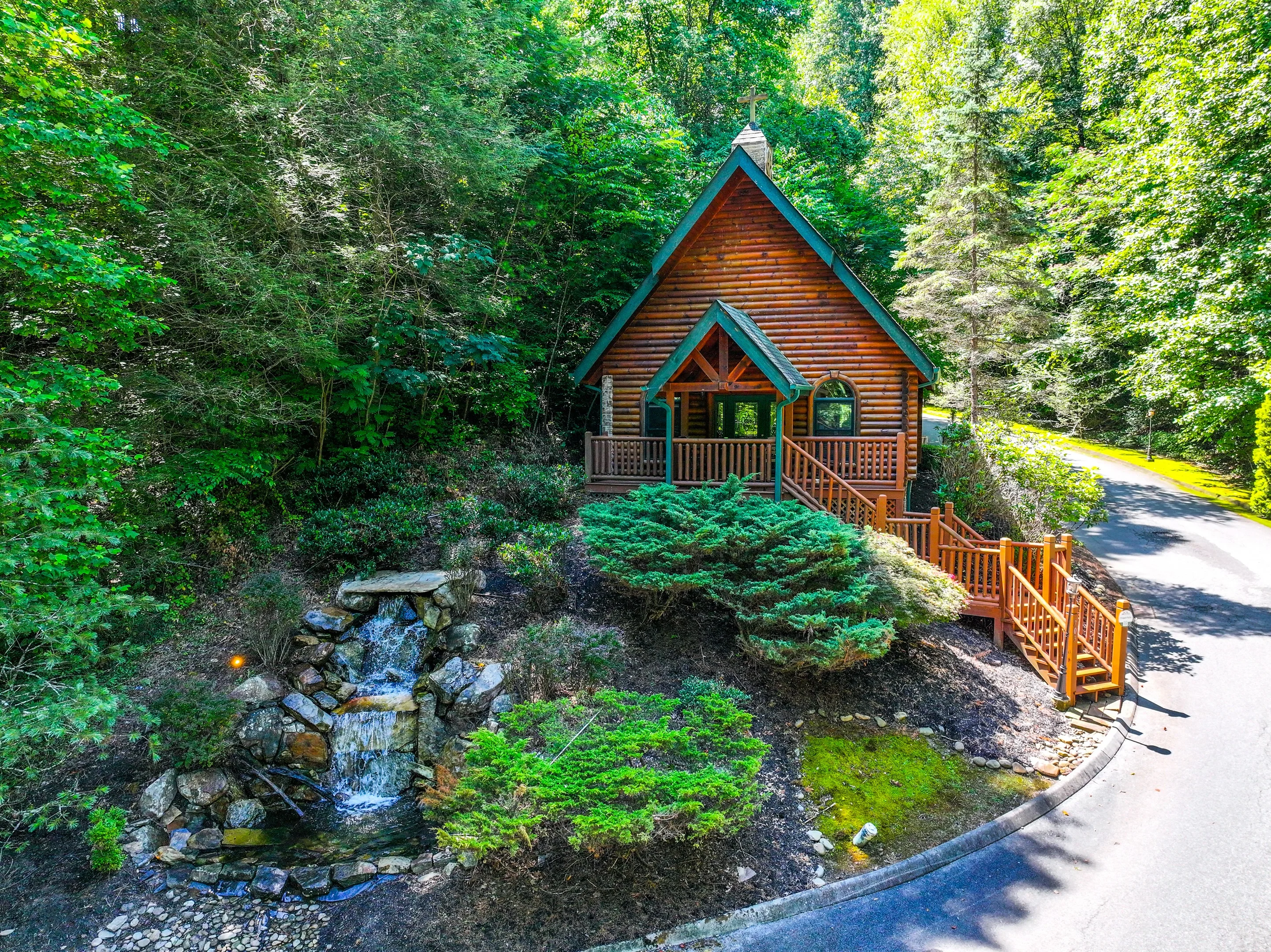
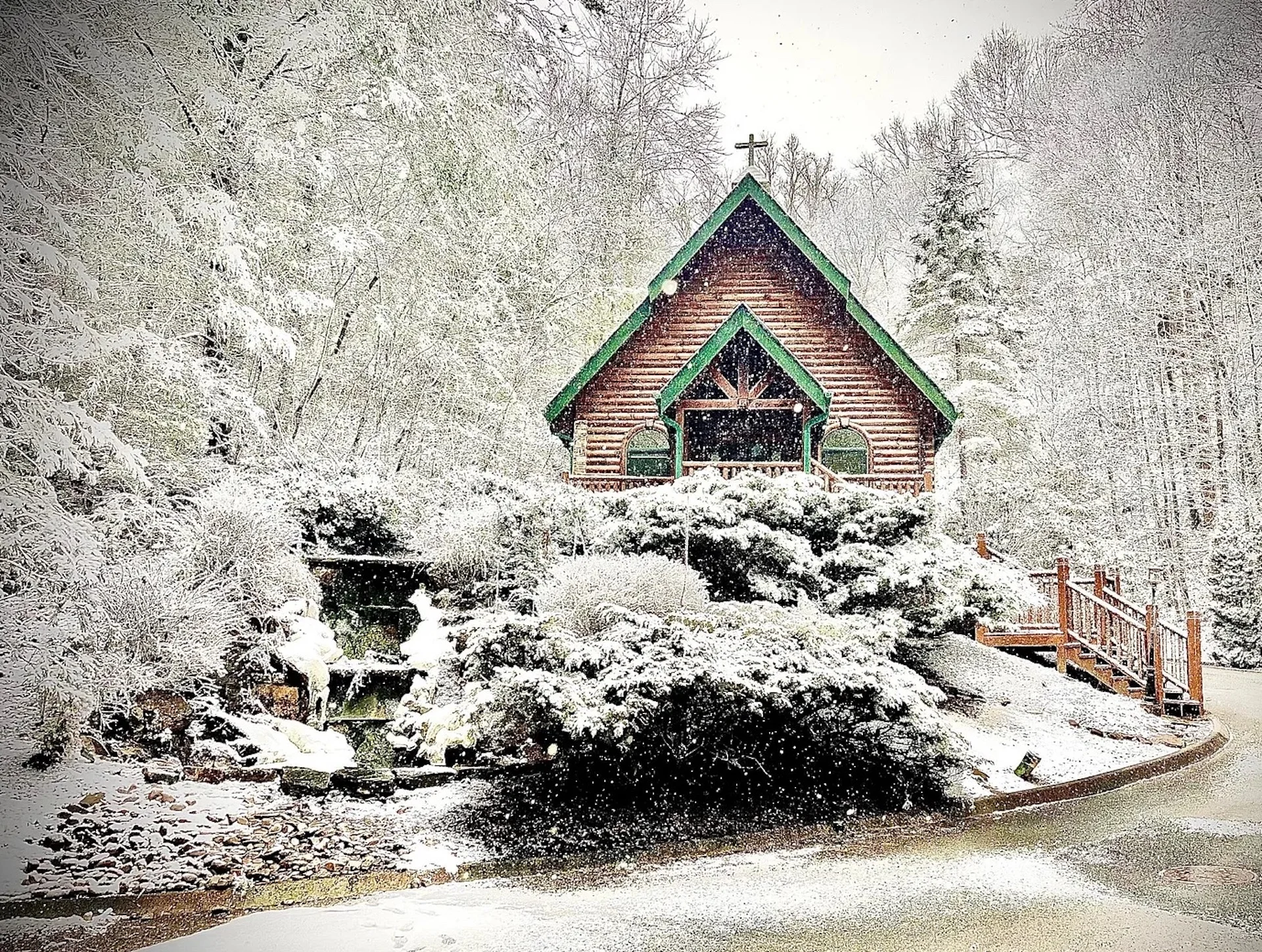
For couples visiting in winter, Chapel Falls is an ideal choice. This one-bedroom, one-bathroom cabin in the Hemlock Hills Resort was converted from a mountain wedding chapel, complete with 16-foot vaulted ceilings, exposed log beams, and a private hot tub strung with lights beside a small waterfall. In winter, soaking under the stars while the surrounding woods are quiet and snow-dusted is exactly the experience the Smokies can deliver when you visit in the off-season. The property sits less than 4 minutes from the park entrance, so morning trail access is effortless.
How Many Days Do You Need to See the Smoky Mountains?
Three to five days is the optimal length for a Great Smoky Mountains trip that covers the park’s main areas without feeling rushed. The park covers 522,427 acres with over 800 miles of hiking trails, according to More Than Just Parks, and its two main access corridors from Gatlinburg (Tennessee) and Cherokee (North Carolina) give you distinctly different experiences. A three-day visit can realistically cover Cades Cove, one major waterfall hike, and a scenic drive on Newfound Gap Road. Five days lets you add Cataloochee Valley, a high-ridge hike, and time in both Gatlinburg and Pigeon Forge.
The one mistake most first-time visitors make is underestimating drive times within the park. Cades Cove sits roughly 45 minutes from the Sugarlands Visitor Center, and the 11-mile loop road can take 2 to 3 hours on a busy Saturday. Cataloochee Valley on the North Carolina side runs about 45 minutes from the Oconaluftee entrance. Budget realistic driving time into every day rather than stacking four park locations onto a single itinerary.
For groups of 8 or more who want a genuine home base rather than a nightly hotel shuffle, the 5-bedroom 8 Bears Lodge in Gatlinburg sleeps up to 14 guests and sits under 2 miles from the park entrance. The pet-friendly property includes a private hot tub, pool table, and a grassy yard that children and dogs both appreciate after long park days. Parking for up to 5 vehicles eliminates the logistical headache of staging carpools every morning. For larger groups on a multi-day trip, having one central gathering space genuinely changes the quality of the experience.
Which Is Better for Your Trip: Gatlinburg or Pigeon Forge?
Gatlinburg and Pigeon Forge serve different traveler profiles, and the honest answer is that Gatlinburg is the better base for most visitors. That is not a close call for anyone whose primary reason to visit is the national park. Gatlinburg sits directly at the park entrance, its downtown Parkway is walkable in a way that Pigeon Forge’s strip simply is not, and the mountain-town character of Gatlinburg , independent restaurants, the aquarium, Anakeesta , holds up across multiple evenings in a way that Pigeon Forge’s themed entertainment corridor does not.
Pigeon Forge earns its spot for one specific traveler type: families with children between roughly ages 6 and 14 who want Dollywood as a central anchor to the trip rather than an occasional outing. If Dollywood is on your itinerary for two or more days, staying in Pigeon Forge saves you the daily 8-mile drive from Gatlinburg and puts you closer to the resort. The dinner theaters and go-kart strips along Teaster Lane also give you more options on rainy afternoons than Gatlinburg provides.
For everyone else , couples, adult groups, families focused on hiking, photographers, anyone visiting for fall foliage , Gatlinburg wins. The proximity advantage alone is decisive: being 5 minutes from the Sugarlands Visitor Center instead of 25 minutes from Pigeon Forge means you can actually hit the trailhead before 7 a.m. without a 5:30 a.m. departure.
According to verified market data, 62% of Great Smoky Mountains National Park visitors pass through Gatlinburg, which reflects how central Gatlinburg is to the park experience. That same traffic volume means Gatlinburg’s Parkway can back up badly on summer and October weekends. If your priority is getting into the park early, staying east of downtown along the Arts and Crafts Community corridor puts you closer to Sugarlands Visitor Center without fighting the strip traffic.
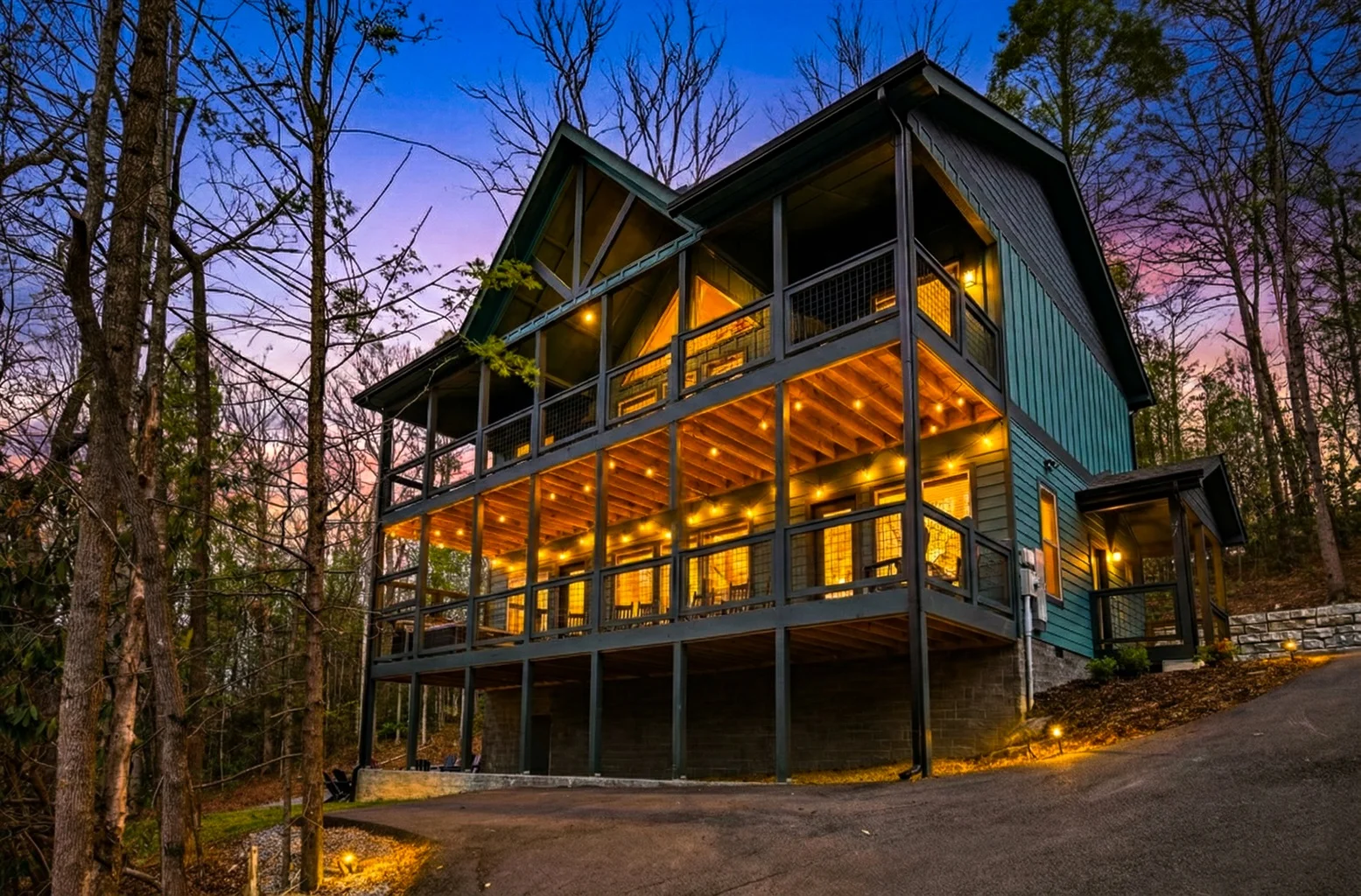
The Spirit Bear, a new-construction 3-bedroom, 3-bathroom cabin in Gatlinburg’s Arts and Crafts Community, is 5 minutes from the Great Smoky Mountains National Park entrance and about 2 minutes from downtown. For a group of up to 8 who want quick park access in the morning but Gatlinburg’s restaurants and Anakeesta in the evening, The Spirit Bear‘s location in the Arts and Crafts Community is a genuine advantage over properties further up the mountain. The private hot tub and outdoor fire pit handle every evening regardless of the weather.
What Are the Best Trails for Each Season?
Great Smoky Mountains National Park trail recommendations by season reflect a combination of weather conditions, biological events, and crowd patterns across the park’s 800-plus miles of maintained paths. Matching the trail to the season dramatically improves both the experience and the safety of a hike.
Spring Trail Picks
Alum Cave Trail (4.4 miles round-trip to the bluffs, 11 miles to the summit of Mount LeConte) delivers peak rhododendron and mountain laurel displays in late May and early June. The Porters Creek Trail in the Greenbrier area is one of the finest wildflower walks in the park from late March through April, with trillium and crested dwarf iris lining the path through old-growth forest. Ramsay Cascades is a strong alternative to the now-closed Laurel Falls: 8 miles round-trip with significant elevation gain but a 100-foot waterfall payoff at the end.
Summer Trail Picks
Higher-elevation routes become the priority in summer. Chimney Tops Trail remains one of the most dramatic short hikes in the Smokies for views without extreme mileage. The path toward Kuwohi via Forney Ridge rewards with relief from valley heat and panoramic views from the highest point in the park at 6,643 feet. Start both before 7 a.m. in July and August to beat afternoon storms and parking lot crowds. Guests staying at Gatlinburg Enchantment, a 3-bedroom log cabin sleeping up to 10 guests in the Hemlock Hills Resort, are about 12 minutes from the Laurel Falls trailhead area and positioned well for early-start hiking days before downtown traffic builds.
Fall Trail Picks
Newfound Gap Road provides drive-through access to the most intense foliage concentrations at elevation. For hiking, the Alum Cave Trail in early to mid-October gives you ridge-line color views that are genuinely hard to match. The Cades Cove loop road at sunrise on a mid-October weekday, with low morning mist and orange canopy overhead, is one of the park’s best fall experiences and requires nothing more strenuous than driving slowly.
Winter Trail Picks
Lower-elevation trails become the reliable winter option when ice closes higher routes. The Gatlinburg Trail along the West Prong of the Little Pigeon River is an easy 4-mile round-trip that stays accessible through most of winter and offers dramatically quiet conditions compared to any other season. The Sugarlands Valley Nature Trail is paved and fully accessible year-round, making it an excellent option for visitors with mobility considerations regardless of season.
What Is the Month-by-Month Budget Breakdown for a Smokies Trip?
Smokies trip cost varies substantially by season, with the gap between peak and off-peak pricing significant enough to affect planning for many travelers. The Gatlinburg short-term rental market carries an average daily rate of $347.10, up 3% year over year, according to AirDNA market data. But that average conceals wide seasonal swings: October peak foliage weekends and summer holiday weekends push premium cabin rates well above that baseline, while January and February midweek stays drop meaningfully below it.
| Month | Crowd Level | Cabin Rate Pressure | Park Entry Cost | Key Events / Notes |
|---|---|---|---|---|
| January | Very Low | Low | Free (no entry fee) | Best budget window; snow possible at elevation |
| February | Very Low | Low | Free | Valentine’s Day demand spikes romantic cabins briefly |
| March | Low | Low to Moderate | Free | Early wildflowers; snow still possible at higher elevations |
| April | Moderate | Moderate | Free | Spring break crowds; peak trillium blooms |
| May | Moderate | Moderate | Free | Firefly lottery (late May); rhododendron blooms |
| June | High | High | Free | School’s out; mountain laurel peaks; afternoon storms begin |
| July | Very High | High | Free | Peak month; bear mating season; 4th of July surges |
| August | Very High | High | Free | Late summer family travel; back-to-school dip in final week |
| September | Moderate | Moderate | Free | Early high-elevation color; elk rut starts in Cataloochee |
| October | Very High | Peak | Free | Peak foliage; 2nd busiest month of the year |
| November | Low to Moderate | Moderate | Free | Late color at lower elevations; excellent shoulder value |
| December | Low | Low to Moderate | Free | Holiday lights in Gatlinburg and Pigeon Forge; Christmas week spikes |
One important planning note that competitors consistently overlook: Great Smoky Mountains National Park has no entry fee. Unlike most major national parks, visiting costs nothing beyond getting there. This makes the park exceptional value regardless of season, and it removes one common variable from your budget calculation.
For families booking a Smoky Mountains trip in 2026, the best budget-to-experience ratio falls in late September or early November. You avoid October’s peak pricing while still catching excellent color. The Smoky Mountain Vacation Planner is a useful starting resource for mapping out the full itinerary, including which attractions are seasonal.
What Photography Conditions Look Like by Season
Photography in Great Smoky Mountains National Park rewards visitors who understand how elevation, moisture, and seasonal timing interact to create the park’s signature atmospheric conditions. The Smokies take their name from the natural blue-gray haze produced by volatile organic compounds released by the dense tree canopy, and this haze behaves differently across seasons, producing distinct photographic moods at different times of year.
Spring and fall mornings produce the most consistent fog in the valleys. Pull into the Cades Cove gated entrance by 6:45 a.m. in October , specifically targeting the Sparks Lane and Hyatt Lane intersections inside the loop, where the ground-level fog pools longest and elk frequently stand in the open fields , and you get roughly 75 to 90 minutes of soft, diffused light before the mist burns off. Summer mornings also produce valley fog, but humidity haze can flatten distant ridge detail by mid-morning.
For fall foliage photography from a fixed overlook, the Gatlinburg Scenic Overlook on U.S. 321 (at approximately 35.7070° N, 83.4627° W) is the single most reliable accessible viewpoint in the region. It sits at roughly 1,800 feet elevation, placing you above the valley floor fog layer while the ridgeline color frames the background. Arrive between 7:00 and 7:20 a.m. on a mid-October morning with at least partial clearing after a overnight rain: that specific combination produces the layered fog-and-color shots you see in every Smokies photography portfolio. The overlook holds about 12 vehicles and fills fast on peak weekends, so arriving at 7:00 a.m. is not a suggestion but the hard deadline to beat the tripod crowd.
For waterfall photography, spring’s higher precipitation creates the strongest flow on Ramsay Cascades and throughout the park’s stream network. Overcast spring days are ideal: clouds eliminate the harsh shadows that direct sunlight casts across cascades in summer. Winter waterfalls with ice formations offer something genuinely different, and the low sun angle from November through February extends the golden-hour window compared to summer’s brief sunrise burst. At Ramsay Cascades specifically, arrive before 9 a.m. in spring to photograph the falls before other hikers fill the foreground: the 4-mile trail in means you will have the cascade mostly to yourself before 10 a.m. on a weekday.
Planning Your Visit: Practical Tips Most Guides Skip
Several practical realities about visiting Great Smoky Mountains National Park consistently go unmentioned in standard travel guides, and knowing them in advance prevents common frustrations.
Parking fills fast, and it matters. The Alum Cave trailhead lot is full by 8:30 a.m. on summer and October weekends. Arriving by 7 a.m. is not overcaution; it is the actual difference between parking and driving 20 minutes back to find overflow. Some trailheads now use a reservation system; check the NPS site for current timed-entry details before your visit.
The park has no entrance fee, but Elkmont firefly viewing does. Firefly reservations at Elkmont cost $29 plus a $1 non-refundable application fee, with the lottery issuing 120 vehicle reservations per night and 960 total for the event period, according to More Than Just Parks. Apply the moment the lottery opens; it fills within hours.
Pollen is severe in April and early May. If you have significant tree pollen allergies, bring prescription antihistamines and plan outdoor time for later in the day when morning pollen counts typically drop. The park’s biodiversity that makes spring so beautiful also makes it genuinely challenging for pollen-sensitive visitors.
Accessibility varies sharply by season. Several accessible paved trails including the Sugarlands Valley Nature Trail and the Gatlinburg Trail remain open year-round and are among the most reliably accessible routes in the park. Summer offers the widest range of accessible options with all visitor centers staffed and facilities fully operational. Winter closures on upper roads like the Roaring Fork Motor Nature Trail reduce accessible driving routes significantly.
Cell service is limited inside the park. Download offline maps before entering, particularly for trail navigation. GAIA GPS allows full offline topographic map downloads and is the practical tool of choice for Smokies navigation among experienced hikers.
For those flying in, McGhee Tyson Airport in Knoxville is approximately 42 to 45 miles from most Gatlinburg-area cabins, typically a 50-minute drive under normal conditions. Build in buffer time on Friday afternoons in summer and October, when U.S. 441 southbound traffic from Sevierville into Gatlinburg can slow the final 15 miles of that drive significantly.
Planning a trip for a larger group? Browse the full selection of Gatlinburg cabins to compare options by size, amenities, and proximity to the park entrance. You can also filter by property type across the portfolio: one bedroom cabins for couples, two bedroom cabins for small families, or larger multi-bedroom properties for group reunions.
Frequently Asked Questions About Visiting Great Smoky Mountains
What is the absolute best time of year to visit Great Smoky Mountains for the first time?
Late April through early May offers the best combination of conditions for a first visit: mild temperatures in the 60s and 70s, vivid wildflower displays including trillium and rhododendron, lighter crowds than summer, and moderate cabin pricing. If fall foliage is a priority, the last week of September provides early high-elevation color with a fraction of the peak October congestion.
Does Great Smoky Mountains National Park charge an entrance fee?
No. Great Smoky Mountains National Park is one of a small number of major U.S. national parks that charges no entrance fee. You pay nothing to enter the park by car or on foot, year-round. The one exception is the synchronous firefly viewing lottery at Elkmont, which requires a reservation costing $29 plus a $1 non-refundable application fee per vehicle for the specific late May to early June event period.
When are bears most active in the Smoky Mountains, and how should I prepare?
Black bears in Great Smoky Mountains National Park are most active in July and August during mating season, and again in fall as they enter hyperphagia (intensive eating before winter). The National Park Service estimates approximately 1,500 bears live in the park. Year-round precautions include using bear-proof food storage boxes at all campsites, never leaving coolers in vehicles, and maintaining a minimum 50-yard distance from any bear you observe.
How many days should I plan for a Smoky Mountains trip?
Three days is the minimum to cover the highlights without feeling rushed; five days allows a thorough experience across multiple park areas including Cades Cove, Cataloochee Valley, and Newfound Gap Road. The park covers 522,427 acres with over 800 miles of trails, so drive times between areas can consume 30 to 45 minutes each way. Most families find four days hits the sweet spot between seeing everything and avoiding exhaustion.
Which is better for families, Gatlinburg or Pigeon Forge?
Gatlinburg is the better base for most families, with one clear exception: if Dollywood is a central anchor of your trip rather than a single-day outing, staying in Pigeon Forge saves you the 8-mile daily drive and puts you closer to the resort. For every other family scenario , morning park hikes, walkable evenings, proximity to the Sugarlands Visitor Center , Gatlinburg wins on both convenience and character.
What trails close in winter at Great Smoky Mountains National Park?
The road to Kuwohi (formerly Clingmans Dome) and the Roaring Fork Motor Nature Trail both close seasonally in winter, typically from late November or December through late March depending on conditions. Most hiking trails remain open year-round, though icy conditions at higher elevations require microspikes or traction devices. Check the NPS visitor center page or GAIA GPS for current road and trail status before any winter visit.
Is the Smoky Mountains worth visiting in winter?
Yes, and it is genuinely underrated. Crowds drop sharply, cabin rates across Gatlinburg fall from their fall peak, and snowfall on the ridgelines creates genuinely spectacular scenery. Lower-elevation trails remain accessible most days, with daytime temperatures often reaching the 50s. The main trade-off is that the Kuwohi summit road and Roaring Fork Motor Nature Trail close, limiting some scenic drives. For couples and budget-conscious travelers, January and February consistently deliver the best value.
When should families with school-age children visit the Smoky Mountains?
The week after Labor Day is the strongest choice for school-age families: summer vacation has just ended for most districts, which means crowds and cabin rates both drop noticeably from their August peaks, but trail conditions remain excellent and all park facilities are still fully operational. Mid-June works well for early summer flexibility before the July peak. Spring break (typically late March to mid-April) is popular but can be crowded depending on regional school calendars, so book accommodations several months in advance for that window.
The Bottom Line: When Should You Visit Great Smoky Mountains?
The best time to visit Great Smoky Mountains National Park in 2026 comes down to a straightforward trade-off between scenery, crowds, and cost. October delivers the most dramatic visuals but carries the highest prices and traffic. May offers excellent hiking conditions, blooming trails, and moderate crowds at a more manageable cost. Winter rewards budget travelers and anyone who values solitude over accessibility. Summer suits families who need every attraction open and do not mind sharing the trails.
The park itself, with its 522,427 acres, 800-plus miles of trails, and no entrance fee, is genuinely worth visiting in every season. The question is which version of the experience you want. Match your timing to your priorities using the month-by-month comparison above, book accommodations early for October and summer holiday weekends, and plan hiking starts before 8 a.m. regardless of season.
Great Smoky Mountains National Park drew more than 12.2 million visitors in 2026, according to the National Park Service, making it the most-visited national park in the country. That popularity is well-earned. But it also means the difference between a peaceful morning hike and a crowded parking lot scramble often comes down simply to when you arrive and where you are staying relative to the trailhead.
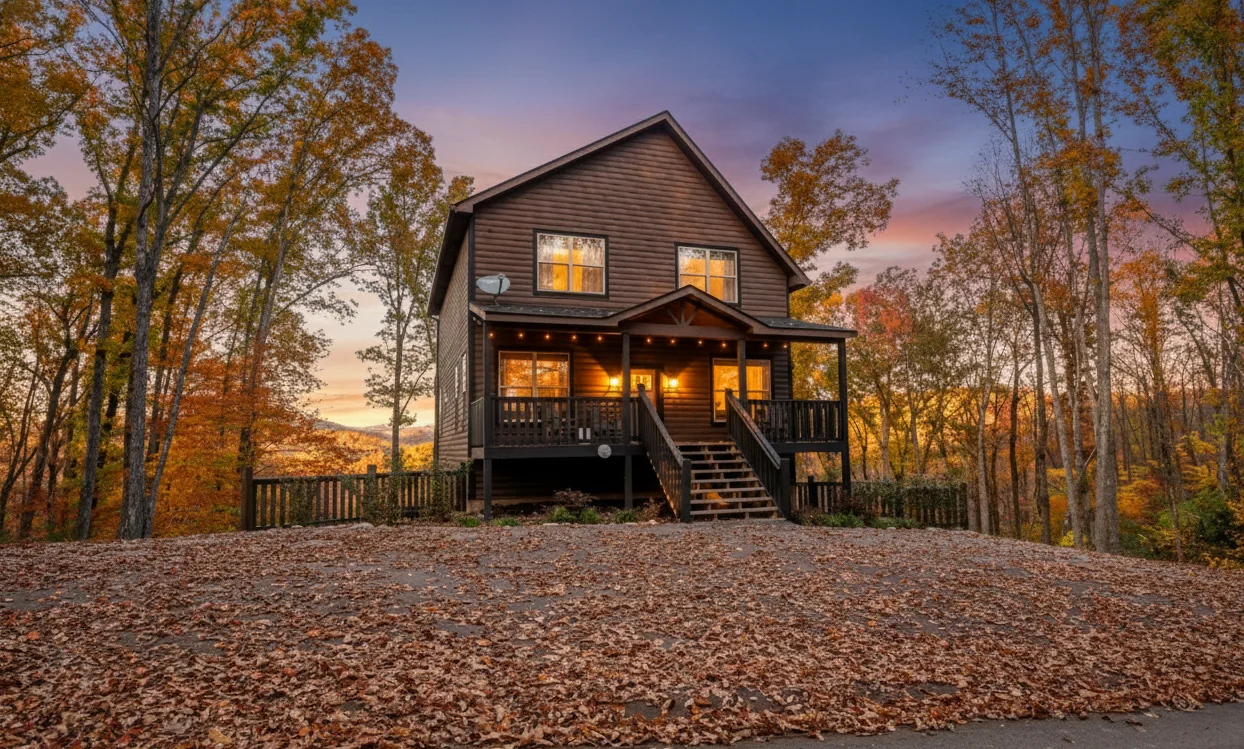
If you are planning a fall or spring visit centered on the park, The Spirit Bear in Gatlinburg’s Arts and Crafts Community sits about 5 minutes from the park entrance and puts you on the right side of the city to beat morning traffic. The covered decks and private hot tub work equally well for crisp October evenings and cool May mornings after a long trail day. For group sizes and options across the full Hemlock Hills portfolio, browse all available three-bedroom cabins in the Smoky Mountains or explore the four-bedroom options if your group needs more space.
Content powered by InkSTR.co