
The best time to go to Gatlinburg, Tennessee depends on what you want from your trip. For the ideal balance of pleasant weather, manageable crowds, and open attractions, late April through May and mid-September through mid-October are the two strongest windows. Families who need summer dates will find June and July busy but rewarding, while budget travelers who can go in January or February will pay significantly less for the same cabins.
Quick Takeaways
- Spring (April to May) offers wildflower blooms, mild temperatures in the 60s and 70s, and lighter weekday crowds compared to summer peaks.
- Summer (June to August) is the busiest season, with National Park Service data showing June through October each topping 1 million visits to Great Smoky Mountains National Park.
- Fall foliage peaks at upper elevations in late September and at lower elevations in the last two weeks of October, according to AAA Trip Canvas and VisitMySmokies.
- Winter (January to February) delivers cabin rate discounts of 30 to 40 percent below summer peaks, per 2026 market data, plus the Winterfest light displays.
- July 4th week and October weekends are the most congested periods in Gatlinburg: skip them if traffic on the Parkway is not your idea of a vacation.
- As of 2026, the average daily rate for short-term rentals in Gatlinburg is $344.90, according to AirDNA, so booking timing and season selection directly affect what you pay.
Gatlinburg is one of those places where the calendar genuinely shapes the experience. The same cabin with the same mountain views feels completely different in a misty April morning versus a packed July afternoon. Sevier County generated $3.93 billion in visitor spending in 2026, ranking 3rd among all 95 Tennessee counties according to the Tennessee Department of Tourist Development, which tells you just how consistently people are drawn here year-round.
This guide cuts through the seasonal noise to help you decide when your group should go, based on what you actually want to do. Whether you are coordinating a large family reunion, planning a couples retreat, or booking a last-minute cabin deal, the timing decision matters more than most travelers realize.
What Are the Best Months to Visit Gatlinburg?
The best months to visit Gatlinburg, Tennessee are April, May, September, and early October, depending on your priorities. These shoulder-season windows combine comfortable temperatures, fully open attractions, active wildlife, and fewer cars on the Parkway than the peak summer or foliage crush delivers. That said, each month has a specific character worth understanding before you book.
April and May: Wildflowers and Manageable Crowds
April in Gatlinburg is genuinely underrated. Temperatures average in the low to mid 60s Fahrenheit during the day, trails are dry enough to hike comfortably, and the wildflowers across Great Smoky Mountains National Park put on a display that attracts photographers from across the country. Crowds are present but not overwhelming on weekdays, and weekend traffic is lighter than summer Saturday afternoons.
May moves into the warm 70s and all businesses along the Parkway are typically open. Wildlife viewing is excellent: black bears, white-tailed deer, and wild turkeys are active and frequently spotted near Cades Cove and Roaring Fork Motor Nature Trail. Working Joe Travel identifies April through August as the prime window for bear sightings specifically, so May falls squarely in the sweet spot.
One honest caveat: spring pollen counts in the Smokies are high through April and into May. If allergies are a concern for anyone in your group, pack medication. Morning mist at elevation can also turn a planned sunrise hike into a fog walk, which some guests love and others find frustrating.
September and Early October: The Sweet Spot Before the Rush
Early September is quietly the best-kept timing secret in Gatlinburg. Schools are back in session across most of the country, crowds thin noticeably compared to August, and temperatures settle into the low to mid 70s with low precipitation. VisitMySmokies notes September and October as the least rainy months in the area, a meaningful advantage when you plan outdoor activities.
The foliage calendar matters for October planning. Upper elevations in the Smokies, including areas near Clingmans Dome and the high ridges, typically begin changing color in late September to early October. Lower-elevation areas around Gatlinburg itself peak during the last two weeks of October and occasionally into the first week of November. The Gatlinburg Best Cabins 2026 guide specifically recommends October 10 through 25 as the prime foliage window.
Go the second or third week of October and you will find stunning color. Go the last weekend of October and you will find bumper-to-bumper traffic on Highway 321 and cabin rates that reflect peak demand.
What Are the Best Months to Visit Gatlinburg for Families?
Families with school-age children generally visit Gatlinburg during June, July, and August, and those months deliver a full experience: every attraction is open, Dollywood runs its full entertainment calendar, and warm weather makes outdoor activities accessible for all ages. The trade-off is real: June through August and October are the four most crowded months in Gatlinburg, so managing expectations about wait times and Parkway congestion is part of the planning.
Summer Strategy for Families
June 15 through August 15 represents the core summer season. The National Park Service confirms that June through October each individually top 1 million visits to Great Smoky Mountains National Park, which translates to busy trailheads and full parking areas by 9am on summer weekends.
The practical solution is timing. Arrive at trailheads before 8am or after 4pm to avoid the worst congestion. The Roaring Fork Motor Nature Trail closes to vehicles during winter but is fully accessible in summer and provides one of the more scenic low-difficulty drives in the park without requiring a long hike. Families with young children can spend a full afternoon there without anyone melting down.
July 4th specifically is worth planning around rather than planning for, unless you want to join the First Independence Day Parade in the Nation, the River Raft Regatta on the Little Pigeon River, and the fireworks display. If crowds and celebration are the point, the 4th in Gatlinburg is genuinely festive. If you want hiking access and open road, skip that week entirely and come the last week of June or the second week of July instead.
For families needing a cabin large enough to keep everyone comfortable across multiple days, Heaven’s Porch accommodates up to 16 guests across five bedrooms and six bathrooms, with a multicade arcade system loaded with 50-plus classics, a home theater, and a hot tub with Smoky Mountain views. It sits five minutes from Dollywood, which matters enormously when you have teenagers who want to maximize park time.
School Break Timing and Its Effect on Gatlinburg Traffic
An underreported factor in Gatlinburg crowding is school break calendars, specifically the overlap of Tennessee, Georgia, North Carolina, and Virginia spring breaks, which typically fall across a three-week window in March and early April. When those schedules cluster, crowds spike in ways that feel more like summer than spring.
Check break calendars for your home state and the surrounding drive-market states before booking March or early April. A week that is quiet for a family from Ohio might coincide with Georgia spring break week, making Gatlinburg busier than you expected. The same logic applies to fall sports weekends tied to University of Tennessee home games in Knoxville, roughly 45 minutes west: those weekends push accommodation demand higher across the Smokies corridor.
What Is the Cheapest Month to Visit Gatlinburg?
The cheapest months to visit Gatlinburg, Tennessee are January and February, when cabin rates typically run 30 to 40 percent below summer peaks, according to 2026 market data. Some sources cite winter discounts as high as 40 to 50 percent compared to October pricing specifically. The average daily rate across Gatlinburg short-term rentals is $344.90 as of 2026 per AirDNA, which means winter stays can represent meaningful savings for budget-focused travelers.
Why January and February Work for the Right Traveler
January is genuinely quiet. Trails are almost empty on weekdays, and some hikers specifically prize January visits for the chance to have Laurel Falls or Alum Cave Bluffs largely to themselves. VisitMySmokies notes that February averages 2.9 inches of snow and January averages 2.3 inches in the Gatlinburg area, meaning a light dusting is possible but a full snow closure is not guaranteed. Plan for potential icy road conditions on the steeper approaches to mountain communities.
Winterfest runs through February and features millions of lights displayed across Gatlinburg and Pigeon Forge, making the visual experience of the Parkway at night genuinely appealing even in cold weather. Some seasonal businesses reduce their hours or close temporarily between January and mid-February, so verify hours for any specific restaurant or attraction before you drive.
Couples who want a private mountain retreat without crowds or premium pricing will find January and February ideal. Chapel Falls is a one-bedroom chalet converted from a mountain wedding chapel in Gatlinburg, with 16-foot vaulted ceilings, exposed log beams, a private hot tub with string lights, and its own small waterfall feature outdoors. At winter rates, this kind of intimate property delivers exceptional value. It sits six minutes from downtown Gatlinburg and just half a mile from Rocky Top Sports World and the Arts and Crafts Community.
Shoulder Season Value: March and November
March and November offer middle ground between peak and off-peak pricing. March brings warming temperatures but variable weather: a 65-degree day can follow a frosty morning, and rain is more frequent than summer. November after the first week sees foliage crowds dissipate quickly, prices drop, and many local restaurants shift to slower service mode that regulars find more relaxed than the October rush.
November through mid-December also marks the start of Winterfest preparations, and Thanksgiving week is busy enough to command near-peak pricing. The week after Thanksgiving through mid-December hits a brief quiet period before Christmas travelers arrive. That narrow window, roughly December 1 through 15, represents some of the best value in the shoulder calendar.
What Is the Least Busy Time to Go to Gatlinburg?
The least busy time to visit Gatlinburg, Tennessee is late January through early February, followed by mid-November and the first two weeks of December. These windows sit outside both the fall foliage season and the Winterfest peak, delivering the quietest experience the town offers. Weekday visits in March and early April, outside of spring break clusters, are also significantly calmer than weekend visits in any season.
Navigating Gatlinburg When Crowds Are Thin
The traffic pattern in Gatlinburg differs meaningfully from typical tourist destinations. The single entry point via the Parkway creates a bottleneck that amplifies perceived crowd density even when overall visitor numbers are moderate. Understanding which sections of town fill first helps you plan your days more efficiently regardless of season.
Downtown Gatlinburg near the Space Needle, Ripley’s Aquarium of the Smokies, and Anakeesta fills from mid-morning through evening on weekends year-round. The Arts and Crafts Community loop along Highway 321 toward Cobbly Nob tends to be considerably quieter, even on summer weekends, because most visitors do not venture that direction without a specific destination in mind.
Staying east of downtown in the Cobbly Nob or Hemlock Hills Resort areas gives you easy access to the Parkway without sitting in its congestion. A Southern Point of View sits in Cobbly Nob Resort, which offers 24/7 security, a community pool 200 feet from the front door (seasonal), and access to Bent Creek Golf Course five minutes away. The three-bedroom cabin sleeps up to eight guests, includes a 70-plus game arcade and pool table, and provides the kind of privacy that makes low-season visits feel genuinely restorative rather than just empty.
Realistic Expectations for Off-Peak Gatlinburg
Off-peak Gatlinburg is not deserted. The mountain town runs year-round tourism at a pace that keeps most major businesses open. But the difference between a January Tuesday and an October Saturday is dramatic: parking in the downtown area is easy versus nearly impossible, restaurant wait times disappear, and you can actually hear the Little Pigeon River running beneath the walking bridge instead of crowd noise.
Some outdoor attractions do have seasonal limitations. The Gatlinburg SkyLift Park operates year-round but may close temporarily in severe weather. Ober Mountain’s ski operations depend on natural and manufactured snow, with the ski season typically running December through March when conditions allow. Check the Great Smoky Mountains National Park official website for current road and trail conditions before any winter or early spring visit, as Newfound Gap Road and Clingmans Dome Road may be closed in icy conditions.
Is It Better to Go to Gatlinburg or Pigeon Forge?
Gatlinburg and Pigeon Forge are different experiences that happen to be six miles apart. Gatlinburg is the walkable mountain town: a compact downtown with craft shops, local restaurants, and direct access to Great Smoky Mountains National Park. Pigeon Forge is the attraction corridor: wider roads, more family entertainment venues like Dollywood, dinner shows, and go-kart tracks, and generally lower accommodation prices than comparable Gatlinburg properties. Most visitors benefit from basing themselves at a cabin and driving to both.
When to Choose a Cabin Near Gatlinburg
Gatlinburg is the right base if you plan to hike frequently in the national park, want to walk to dinner and entertainment, or value the Arts and Crafts Community loop as a daily activity. The Gatlinburg Parkway entry to the national park puts trailheads within minutes of most Gatlinburg-area properties. Gatlinburg Enchantment sits in Hemlock Hills Resort, walking distance from the Arts and Crafts Community and seconds from Rocky Top Sports World, just three miles from downtown Gatlinburg.
For groups who want Gatlinburg proximity with resort amenities, Mountain View Manor in Chalet Village offers 3,800 square feet across four bedrooms and five and a half bathrooms, sleeping up to 18 guests, with a home theater, game room with arcade and pool table, hot tub, and access to three resort clubhouses with seasonal pools and tennis courts. At 3.7 miles from downtown Gatlinburg, it balances resort comfort with genuine proximity to the national park entrance.
When to Choose a Cabin Near Pigeon Forge
Pigeon Forge makes more sense when Dollywood is a primary reason for the trip, or when your group includes younger children who will spend multiple days at attractions on the Parkway. The wider roads and more abundant parking also make Pigeon Forge easier to navigate with large vehicles, which matters if you are arriving in multiple cars for a reunion.
For Pigeon Forge-based stays with strong entertainment options, Views Fore Days accommodates up to 16 guests in five bedrooms with a private heated indoor pool, a six-seat movie theater, a game room with pool table and shuffleboard, a hot tub, and two outdoor fire features. The indoor pool makes it a particularly strong choice for summer visits when outdoor temperatures push into the upper 80s and children need afternoon relief from the heat.
The honest answer is: pick the location that matches your daily activity priorities. You will drive between Gatlinburg and Pigeon Forge regardless of where you stay, and the six-mile drive takes 15 to 25 minutes depending on traffic and season. Do not overthink it.
How Do Elevation and Microclimate Affect Your Gatlinburg Visit?
Elevation in the Smoky Mountains creates measurable temperature and weather differences that most Gatlinburg planning guides ignore. The town of Gatlinburg sits at roughly 1,289 feet above sea level, while Clingmans Dome, the highest point in the park, reaches 6,643 feet. That difference of more than 5,000 feet translates to approximately 15 to 20 degrees Fahrenheit cooler temperatures at the summit compared to downtown on the same day.
Packing and Planning by Elevation
Summer temperatures in Gatlinburg’s lower elevations range from approximately 49 degrees Fahrenheit to 88 degrees Fahrenheit according to National Park Service data. Pack a light jacket even in July if you plan to hike to higher elevations: the Appalachian Trail ridgeline above 5,000 feet regularly runs 65 to 70 degrees on days when the Parkway is sweltering.
Winter hikers face the most dramatic variation. A 45-degree day in Gatlinburg can mean ice and snow above 4,000 feet. Tools like GAIA GPS provide real-time trail snow and conditions data, which is worth checking before any winter hike above the lower-elevation trails. Alum Cave Bluffs, a popular destination at around 4,400 feet, can be genuinely icy from December through March.
Rain Patterns by Season
Spring brings the highest precipitation, with rain possible on any day from March through May. Summer afternoons frequently produce brief thunderstorms, typically building after 2pm and clearing by evening. September and October are the driest months, which is one reason fall ranks so highly for outdoor activity. Winter precipitation is primarily rain at low elevations and occasional snow above 3,000 feet.
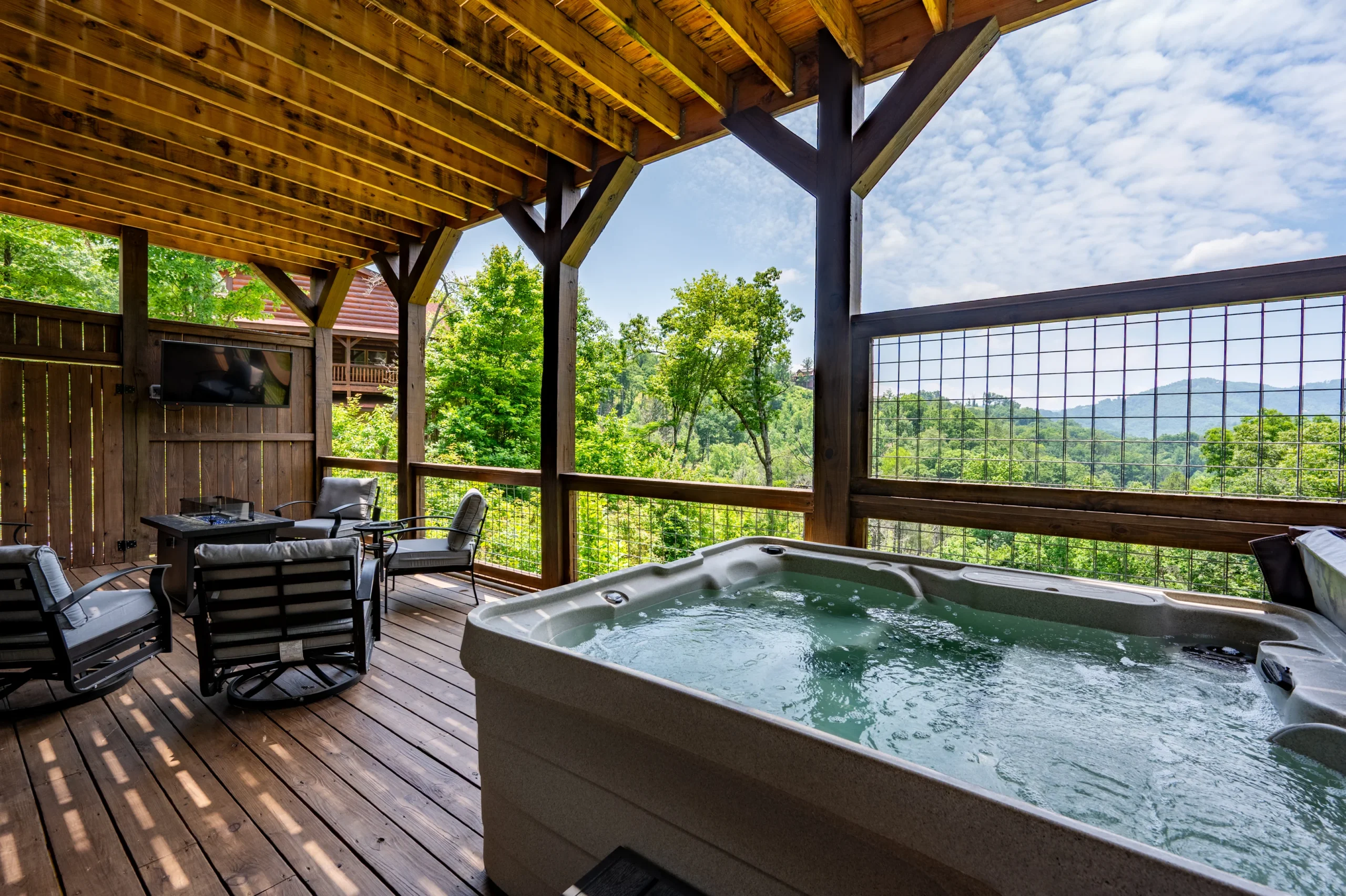
Guests staying in cabins with covered outdoor spaces find weather variability less disruptive. Properties with rooftop decks, screened porches, or covered hot tub areas allow outdoor time even during light rain. The rooftop terrace at Smoky Mountain Serenity Lodge in Sevierville features two outdoor fireplaces, a private hot tub under open sky, and a cedar sauna, making it functional and enjoyable even when the mountain weather turns. The lodge sits just outside Sevierville, minutes from Gatlinburg and the national park entrance, which keeps any activity day flexible regardless of trail conditions.

Which Seasonal Events Should Influence Your Gatlinburg Timing?
Gatlinburg and the wider Smoky Mountains corridor run a consistent calendar of seasonal events that can be a reason to visit or a reason to plan around, depending on your crowd tolerance. Understanding which events drive the biggest attendance spikes helps you make a deliberate choice rather than accidentally arriving during a peak event week.
Events Worth Planning Around (or Avoiding)
Winterfest runs from November through February and illuminates Gatlinburg, Pigeon Forge, and Sevierville with millions of decorative lights. The event draws visitors who might not otherwise come during winter, creating modest crowd increases on December and January weekends. The display is genuinely impressive and worth seeing, but it does compress what would otherwise be the quietest window of the year.
The Fourth of July in Gatlinburg is historically notable: the town hosts what it calls the First Independence Day Parade in the Nation, beginning at midnight on July 4th, followed by a River Raft Regatta and fireworks. If celebration and festivity are the goal, the holiday delivers. If you want any flexibility in parking or movement, plan your Parkway time before 10am or after 8pm that day.
October weekends during peak foliage attract the largest crowds Gatlinburg sees in any season. The last Saturday of October and the first Saturday of November in particular can produce traffic backups extending miles from the Parkway entrance. Book foliage week cabins well in advance, and plan to explore trails early in the morning when parking areas are still accessible.
Sevierville’s Bloomin’ BBQ Music and Food Festival and the Smoky Mountain Harvest Festival are worth noting for families who enjoy outdoor events with live music and local food. These historically occur in spring and fall respectively; check current dates via the Great Smoky Mountains National Park website and local tourism boards for 2026 schedules.
Matching Events to Cabin Capacity
Groups celebrating milestones, reunions, or bachelorette weekends often benefit from anchoring their trip around a specific event. For large groups of 10 to 18 guests, Sweet Retreat in Sevierville accommodates up to 18 guests across four bedrooms and five bathrooms, with a home theater, ping pong, foosball, arcade games, fire pit, and panoramic mountain views. The cabin’s indoor entertainment options mean a rainy October foliage weekend is still a full trip rather than a weather-dependent gamble.
For groups wanting a Pigeon Forge base during summer events with indoor pool access, Can’t Bear To Leave near Sevierville offers a year-round heated indoor pool, slate pool table, retro arcade games, and floor-to-ceiling windows with panoramic mountain scenery for up to 11 guests. Its location between Wears Valley and Pigeon Forge keeps the cabin quieter than Parkway-adjacent properties on busy event weekends.
Frequently Asked Questions About When to Visit Gatlinburg
What is the absolute best week to visit Gatlinburg for the first time?
For first-time visitors who want good weather, manageable crowds, and a full range of open attractions, the second or third week of May is the strongest single choice. Temperatures sit in the low to mid 70s, wildflowers are still visible at mid-elevations, and the spring break crowds have cleared. Alternatively, the first two weeks of September deliver similar conditions without pollen season, with the added benefit of being the driest calendar period of the year in the Smokies.
What are the best months to visit Gatlinburg for fall foliage specifically?
Upper elevations in Great Smoky Mountains National Park typically begin changing color in late September to early October. Lower elevations around Gatlinburg itself peak during the last two weeks of October, with the first week of November sometimes still showing good color at valley level. AAA Trip Canvas recommends mid-September through October as the full fall foliage window, with mid-October generally showing the most vibrant colors across the widest range of elevations.
What is the cheapest month to visit Gatlinburg?
January and February are consistently the lowest-price months for cabin rentals in Gatlinburg, with rates typically 30 to 40 percent below summer peaks according to 2026 market data. Some properties offer even steeper discounts versus October foliage pricing. The trade-off is that a small number of seasonal businesses may reduce hours or temporarily close, and road conditions on steep mountain approaches require checking before travel, particularly after winter precipitation.
Is Gatlinburg worth visiting in winter?
Yes, winter in Gatlinburg is a legitimately good choice for couples, budget travelers, and anyone who dislikes crowds. The Winterfest light display runs through February, the national park trails are nearly empty on weekdays, and cabin rates reach their annual low. Waterfalls sometimes partially freeze into ice formations, which hikers specifically seek out. Pack layers, verify road conditions on the NPS website before visiting high-elevation areas, and expect a small number of seasonal businesses to be closed or operating on reduced hours.
How far in advance should I book a Gatlinburg cabin?
For peak periods, including summer weeks, fall foliage (especially October weekends), and holiday weeks around Thanksgiving and Christmas, book three to six months in advance. For shoulder season visits in April, May, September, and early November, four to eight weeks typically provides adequate availability. Winter and early spring weekday stays can often be arranged with two to four weeks of lead time, and last-minute deals occasionally appear for those with flexible schedules.
What is the least busy time to go to Gatlinburg?
Late January and early February represent the quietest period in Gatlinburg, followed by mid-November and the first two weeks of December. Weekdays in March outside of spring break windows are also significantly less congested than weekends. The quietest overall experience comes from combining an off-peak month with a Tuesday through Thursday check-in rather than a Friday or Saturday arrival, which eliminates the weekend traffic patterns that make Gatlinburg feel more congested regardless of season.
Does Gatlinburg or Pigeon Forge make a better base for a family trip?
It depends on your primary activities. Gatlinburg is the better base for national park access, walkable dining and shopping, and the Arts and Crafts Community. Pigeon Forge is stronger for families whose trip centers on Dollywood, dinner shows, and Parkway attractions. Since the drive between the two towns takes 15 to 25 minutes depending on traffic, most families end up visiting both regardless of where they stay. Choose your cabin location based on the activity that anchors the most days of your itinerary.
Are Gatlinburg cabin rates higher during fall foliage than summer?
Yes, fall foliage pricing, particularly for October weekends, often matches or exceeds summer peak rates in the Gatlinburg and Sevierville market. AirDNA data for 2026 shows the Gatlinburg average daily rate at $344.90 across the full year, but October weekend rates at desirable properties can run significantly above that figure. If budget is a priority, the first two weeks of November after foliage peaks deliver fall-like temperatures with prices that drop closer to shoulder-season levels.
Planning Your Gatlinburg Trip: What Season Is Right for You?
When to go to Gatlinburg, Tennessee ultimately comes down to three questions: what is your budget, what is your crowd tolerance, and what is the primary experience you want from the trip? The answers map cleanly onto seasons.
| Traveler Type | Best Time to Visit | Key Advantage | Main Trade-off |
|---|---|---|---|
| Budget-focused couples | January to February | 30 to 40 percent rate discounts | Some seasonal closures, cold weather |
| Families with school-age kids | June to mid-July | Full attraction calendar, warm weather | Highest crowds and rates of the year |
| Hikers and outdoor enthusiasts | April to May or September | Open trails, manageable crowds, mild temps | Spring pollen, some business closures in early April |
| Foliage chasers | October 10 to 25 | Peak color at most elevations | Maximum crowds and rates of fall season |
| Large group reunions | Late May or early September | Good weather, full amenity access, lower weekday rates | Some competition for large-group cabin availability |
| Romantic couple retreats | November to February | Privacy, low rates, Winterfest ambiance | Shorter daylight hours, potential weather delays |
In 2026, the Smoky Mountains region continues to draw visitors consistently across every month, which is why Sevier County’s visitor spending reached $3.93 billion this year. The market’s year-round strength means you will never find Gatlinburg truly empty, but you can absolutely find it manageable, affordable, and rewarding with the right timing.
Use this guide to match your group’s priorities to the right window, book the cabin that fits your size and amenity needs, and plan your days around the specific trails, attractions, and events that matter most to your trip. The mountain will be there whenever you arrive. Planning just determines how much company you have.
Find the Right Cabin for Your Gatlinburg Visit
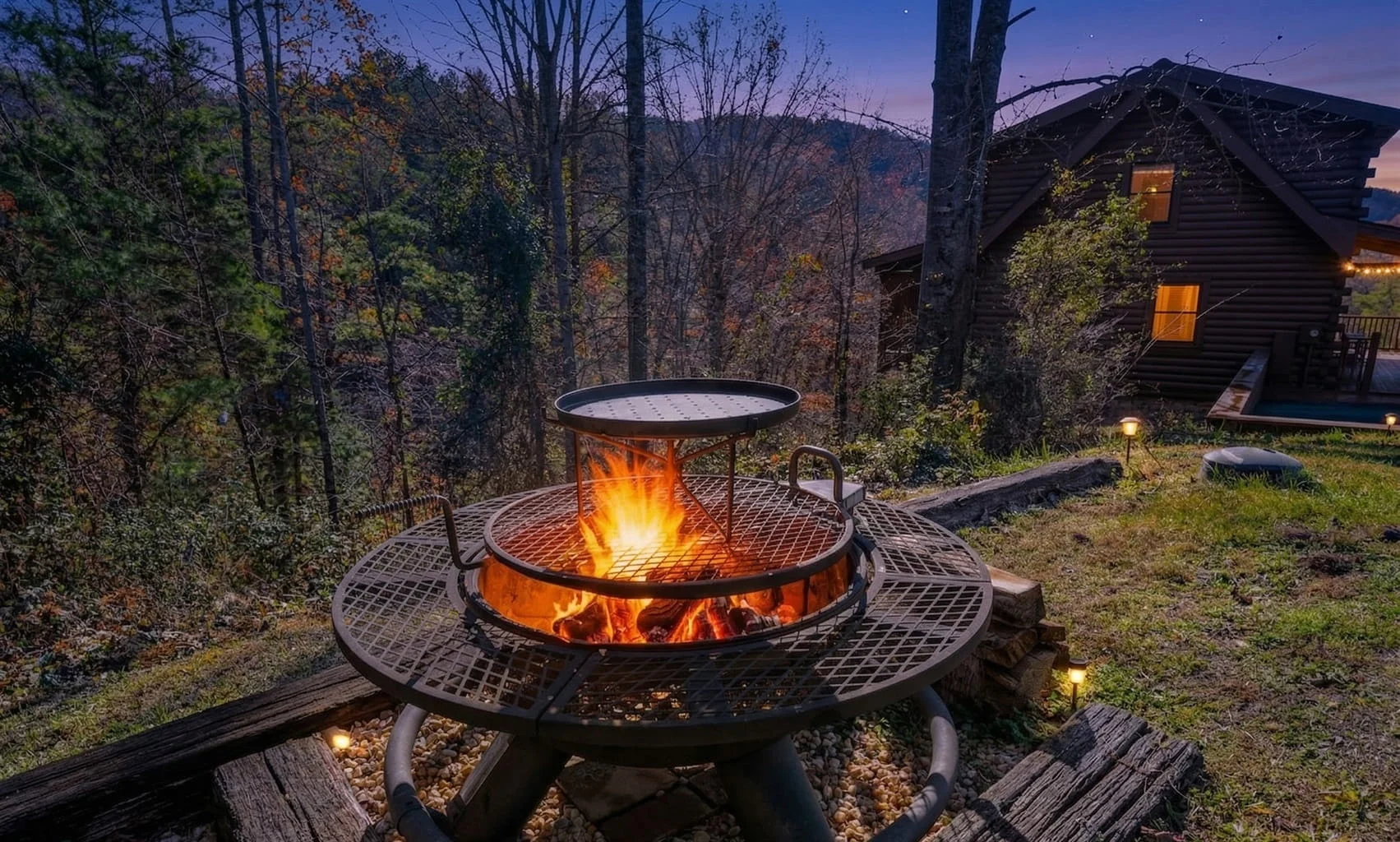
No matter which season brings you to the Smokies, the cabin you choose shapes the trip as much as the calendar does. Mountain Memories in Sevierville sits less than three miles from Dollywood and the Pigeon Forge Parkway, with a three-story layout sleeping up to 10 guests, double decks, a fire pit, and a hot tub with wooded views. It works as a summer family base, a fall foliage retreat, or an off-season couples getaway equally well, which is exactly the kind of flexibility that makes a cabin rental worth choosing over a hotel room in any season.
Browse the full selection of Hemlock Hills cabin rentals to find the right fit for your dates, group size, and preferred location across Gatlinburg, Pigeon Forge, and Sevierville. Families planning larger gatherings can explore three-bedroom cabins and five-bedroom cabins for properties with enough space to bring everyone together. Use the Smoky Mountain vacation planner to match your travel dates with the best available options across the portfolio.
Content powered by inkSTR.co