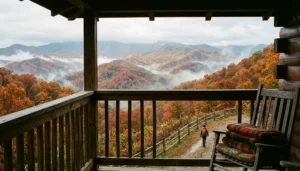
The best time to visit the Smoky Mountains depends on your priorities, but fall (September through October) consistently delivers the perfect combination of stunning foliage, comfortable weather, and manageable crowds. Spring (April through May) runs a close second with wildflower blooms and mild temperatures, while summer offers long days perfect for families despite heavier crowds. Winter provides solitude and snow-dusted peaks for those seeking a quieter mountain experience.
TL;DR:
- Fall (September-October): Peak foliage, crisp 60°F weather, higher crowds but worth it
- Spring (April-May): Wildflower blooms, moderate crowds, perfect hiking weather
- Summer (June-August): Warmest weather at 75-80°F, busiest season, great for families
- Winter (December-February): Snow-capped views, lowest crowds, cold but magical
- Weather varies dramatically by elevation: 3-5°F drop per 1,000 feet of elevation gain
- Pack layers always: Gatlinburg might be 70°F while Clingmans Dome is 45°F
The Great Smoky Mountains experience four distinct seasons, each offering completely different atmospheres and activities. Understanding these seasonal patterns, combined with the park’s dramatic elevation changes, helps you plan the perfect timing for your mountain getaway.
The key factor shaping all weather here is elevation. From Gatlinburg’s 1,300 feet to Clingmans Dome’s 6,643 feet, you’ll experience multiple climate zones in a single day. This creates unique opportunities but also demands smart packing regardless of season.
What Makes Fall the Peak Season for Visiting?
Fall transforms the Smoky Mountains into nature’s grandest theater. From mid-September through early November, the park’s 100+ tree species create a kaleidoscope of red, orange, and gold that draws visitors from across the country.
Peak foliage timing varies by elevation:
- Higher elevations (above 4,000 feet): Mid to late September
- Mid-elevations (2,000-4,000 feet): Early to mid-October
- Lower elevations (below 2,000 feet): Late October through early November
Weather conditions during fall are nearly perfect for outdoor activities. Daytime temperatures hover around 63°F in lower elevations, with cool mornings and crisp evenings that make hot tub time irresistible. Rain is less frequent than spring, though you should always carry a light rain jacket.
The trade-off for these spectacular conditions is increased crowds and higher accommodation prices. Popular viewpoints like Cataract Falls can see long waits, especially on weekends. For guests staying at Smoky Mountain Serenity Lodge, just 10 minutes from the park entrance, early morning hikes before the crowds arrive become a distinct advantage.
Fall booking strategy: Reserve accommodations 3-6 months ahead for October dates. The peak foliage window is only 2-3 weeks long in any given elevation zone, making timing crucial.
Why Choose Spring for Wildflower Season?
Spring in the Smokies unfolds like a months-long botanical festival. From March through May, over 1,500 flowering plant species emerge in waves across different elevations and microclimates. This creates an extended blooming season that nature photographers and hikers treasure.
Wildflower progression by month:
- March: Bloodroot and hepatica in protected valleys
- April: Trillium, violets, and redbud trees throughout mid-elevations
- May: Mountain laurel and rhododendron in higher elevations
Spring weather brings the season’s main challenge: variability. Morning temperatures might start in the 40s, climb to 70°F by afternoon, then drop rapidly with afternoon thunderstorms. The mountains receive significant rainfall during spring, keeping trails muddy but feeding the spectacular wildflower displays.
Crowds during spring are moderate compared to summer and fall, making this the best time to visit for hiking enthusiasts who want elbow room on popular trails. The weather is ideal for longer hikes, with comfortable temperatures and lush, green surroundings.
{{IMAGE: Mountain wildflowers blooming along a forest trail in early morning light with mist in the background and hikers in the distance | Spring wildflowers blooming in Smoky Mountains during best time to visit}}
Wildlife is most active during spring as animals emerge from winter dormancy and migratory birds return. Black bears become more visible as they forage for food, making this an excellent season for wildlife photography from a safe distance.
How Does Summer Weather Affect Your Visit?
Summer brings the warmest and most predictable weather to the Smoky Mountains, with average highs reaching 78°F in lower elevations. Long days stretch past 8 PM, giving families maximum time for activities and outdoor exploration. This extended daylight makes summer the preferred season for visitors with children.
The warm weather unlocks water-based activities that aren’t practical during other seasons. Swimming holes, creek wading, and waterfall visits become daily activities rather than quick stops. Popular spots like the Sinks and Midnight Hole draw crowds seeking relief from the heat.
Summer weather patterns:
- Morning: Often clear and comfortable, ideal for early hikes
- Afternoon: Warm and humid with frequent thunderstorms
- Evening: Pleasant temperatures, perfect for outdoor dining and campfires
The main drawback of summer is crowd density. Popular attractions, restaurants, and parking areas reach capacity regularly. Traffic through Gatlinburg and Pigeon Forge can add 30-45 minutes to what should be short drives during peak hours.
For families staying at properties like Views Fore Days, the private indoor pool becomes a valuable amenity when afternoon thunderstorms interrupt outdoor plans. The 12-minute drive to attractions means you can easily retreat to air conditioning during the hottest parts of the day.
Summer humidity can make temperatures feel 5-10 degrees warmer than the actual reading, especially at lower elevations. Higher elevations provide natural air conditioning, with temperatures often 15-20 degrees cooler than Gatlinburg.
What Should You Expect During Winter?
Winter transforms the Smoky Mountains into a peaceful, snow-dusted landscape that reveals the park’s bone structure. With average highs around 43°F at lower elevations, winter requires serious cold-weather preparation but rewards visitors with solitude and stunning clarity.
Snow accumulation varies dramatically by elevation. Gatlinburg might see only a dusting while Clingmans Dome receives several feet. This creates opportunities for winter hiking at lower elevations and potential snow activities at higher elevations.
Winter conditions by elevation:
- Below 3,000 feet: Occasional snow, mostly rain, trails usually passable
- 3,000-5,000 feet: Regular snow, ice possible, check trail conditions
- Above 5,000 feet: Heavy snow likely, specialized equipment recommended
{{IMAGE: Snow-covered log cabin with warm light glowing from windows and smoke rising from chimney, surrounded by snow-laden evergreen trees | Cozy winter cabin during best time to visit Smoky Mountains}}
Winter offers unique advantages beyond solitude. Wildlife viewing improves as animals become more visible against snow and bare trees. Waterfalls partially freeze, creating temporary ice sculptures. The air is clearest during winter months, providing exceptional long-distance views from overlooks.
Accommodation rates drop significantly during winter, and properties like Forest Creek Retreat offer cozy fireplaces and hot tubs that perfectly complement the cold mountain air. The 12-minute drive to Great Smoky Mountains National Park means you can warm up quickly after outdoor adventures.
How Does Elevation Change Your Experience?
Understanding elevation’s impact on weather is crucial for planning any Smoky Mountains visit. The park’s 5,800-foot elevation range creates multiple climate zones, each with distinct seasons and conditions occurring simultaneously.
Temperature drops by elevation:
- 1,000 feet gain: 3-5°F cooler
- 2,000 feet gain: 6-10°F cooler
- 3,000+ feet gain: 10-15°F cooler
This means Clingmans Dome (6,643 feet) averages 15-25°F cooler than Gatlinburg (1,300 feet) year-round. A comfortable 70°F day in town becomes a chilly 50°F experience at the dome, requiring jackets even in summer.
Precipitation also increases with elevation. Higher elevations receive 30-50% more rainfall and snow than valleys. This affects trail conditions, with higher elevation paths staying muddy longer in spring and becoming impassable earlier in winter.
Smart visitors use elevation changes strategically. During hot summer days, hiking to higher elevations provides natural air conditioning. In winter, staying at lower elevations keeps activities accessible while still offering mountain atmosphere.
When Should You Avoid Peak Crowds?
Crowd patterns in the Smoky Mountains follow predictable seasonal rhythms, with distinct peaks during fall foliage and summer vacation periods. Understanding these patterns helps you balance weather preferences with solitude requirements.
Highest crowd periods:
- October weekends: Peak foliage draws maximum visitors
- July 4th week: Family vacation pinnacle
- Memorial Day weekend: Summer season kickoff
- Labor Day weekend: Last summer hurrah
Best times for fewer crowds:
- January-February: Lowest visitor numbers, winter beauty
- Late November: Post-foliage, pre-holiday quiet
- Mid-April: Spring blooms without summer crowds
- Mid-September: Early fall before peak foliage rush
Weekdays consistently offer better experiences than weekends across all seasons. Even during peak foliage, Tuesday through Thursday visits provide significantly more space and shorter waits at popular attractions.
{{IMAGE: Peaceful mountain morning with mist rising from valleys and empty hiking trail winding through forest | Quiet morning trails during best time to visit Smoky Mountains}}
For visitors staying at properties like The Spirit Bear in Gatlinburg’s Arts & Crafts Community, the 5-minute proximity to park entrances means you can easily access trails early morning when crowds are minimal.
What Weather Gear Should You Pack?
Packing for the Smoky Mountains requires layering strategy over single-purpose items. The dramatic elevation changes and variable weather patterns mean you’ll experience multiple conditions in a single day regardless of season.
Essential items for any season:
- Waterproof jacket: Rain occurs year-round, often suddenly
- Insulating layer: Fleece or down for elevation changes
- Base layers: Moisture-wicking materials for comfort
- Sturdy footwear: Waterproof hiking boots or trail shoes
- Hat and gloves: Even summer mornings can be chilly
Spring/Fall additions:
- Warm hat for early morning starts
- Light gloves for high elevation hikes
- Extra socks (trails often muddy)
Summer modifications:
- Lightweight, breathable fabrics
- Sun hat and sunglasses
- Plenty of water capacity
- Light rain jacket for afternoon storms
Winter requirements:
- Heavy insulation layers
- Waterproof outer shell
- Warm, waterproof gloves
- Insulated, waterproof boots
- Emergency warmth items
The key principle is adaptability. Weather can change rapidly, especially at higher elevations where afternoon thunderstorms develop quickly even on clear mornings.
How Do You Plan Around Weather Patterns?
Successful Smoky Mountains trips involve flexible itineraries that account for weather variability. Even with detailed forecasts, conditions can shift quickly, particularly during transitional seasons and at higher elevations.
Weather-adaptive planning strategies:
- Morning priorities: Schedule outdoor activities early when weather is most stable
- Indoor alternatives: Have backup plans for rainy days
- Elevation flexibility: Move to different elevations as conditions change
- Season timing: Visit during shoulder seasons for better weather windows
Spring and fall require the most flexibility due to rapid weather changes. Summer offers the most predictable patterns, while winter demands the most preparation but provides the most stable conditions once you’re equipped.
For cabin guests, properties with diverse amenities handle weather changes best. Gi-Pa’s Getaway offers both indoor heated pool and outdoor fire pit, ensuring entertainment regardless of conditions. The theater room with custom bunk beds keeps families happy during afternoon thunderstorms.
Local weather resources become crucial tools. The National Weather Service provides detailed forecasts including elevation-specific conditions. Park service visitor centers offer current trail conditions and safety updates.
Which Season Matches Your Priorities?
Choosing the best time to visit the Smoky Mountains ultimately depends on weighing your personal priorities against each season’s trade-offs. Consider what matters most for your ideal mountain experience.
Choose fall if you prioritize:
- Iconic mountain scenery and photography
- Comfortable hiking weather
- Traditional peak season atmosphere
- Don’t mind crowds and higher prices
Choose spring if you prioritize:
- Wildflower photography and botanizing
- Moderate crowds with good weather
- Active wildlife viewing
- Can handle weather variability
Choose summer if you prioritize:
- Family activities and long days
- Water-based recreation
- Predictable warm weather
- Don’t mind busy conditions
Choose winter if you prioritize:
- Solitude and contemplative experiences
- Unique winter landscapes
- Budget-conscious travel
- Can handle cold conditions
Frequently Asked Questions
What is the absolute best month to visit the Smoky Mountains?
October consistently ranks as the best single month, offering peak fall foliage, comfortable temperatures averaging 63°F, and the most dramatic scenery. However, this comes with the highest crowds and accommodation prices. For fewer crowds with excellent conditions, consider late September or early May.
How far in advance should I book accommodations for peak seasons?
For October visits, book 4-6 months ahead, especially for weekend stays. Summer bookings should be made 3-4 months in advance. Spring and winter typically require 1-3 months advance booking, with winter offering the most flexibility.
Does weather change that much between Gatlinburg and higher elevations?
Yes, dramatically. Expect 15-25°F temperature differences between Gatlinburg (1,300 feet) and Clingmans Dome (6,643 feet) year-round. Higher elevations also receive significantly more precipitation and snow. Always pack layers regardless of valley weather conditions.
What months have the least rainfall?
October and November typically see the least precipitation, averaging 2-3 inches monthly in lower elevations. August and September can also be relatively dry. However, the Smokies are a temperate rainforest, so rain gear is always recommended regardless of season.
Can you really see four seasons in one day?
During transitional periods (April-May and September-October), it’s genuinely possible to experience spring-like conditions in valleys, summer warmth at mid-elevations, fall colors in the canopy, and winter conditions at the highest peaks all in a single day trip.
Are there any months you should completely avoid?
No month is universally bad, but late March can be challenging with unpredictable weather, muddy trails, and limited wildflower activity. However, this also means lowest crowds and prices for budget-conscious visitors who don’t mind variable conditions.
How accurate are weather forecasts for the mountains?
Standard weather forecasts become less reliable at higher elevations and during transitional seasons. Always check National Weather Service mountain forecasts and park service conditions. Local weather can change rapidly, especially with afternoon thunderstorms in summer.
Conclusion
The best time to visit the Smoky Mountains depends on your personal priorities, but fall and spring consistently offer the most rewarding combinations of weather, natural beauty, and manageable crowds. October provides the classic mountain experience with peak foliage and comfortable temperatures, while May delivers wildflower displays and excellent hiking conditions with fewer visitors.
Understanding the dramatic elevation changes throughout the park helps you pack appropriately and plan flexible itineraries that work with rather than against the mountains’ natural weather patterns. Whether you choose the bustling energy of peak foliage season or the quiet solitude of winter, the Smokies deliver unforgettable experiences across all four seasons.
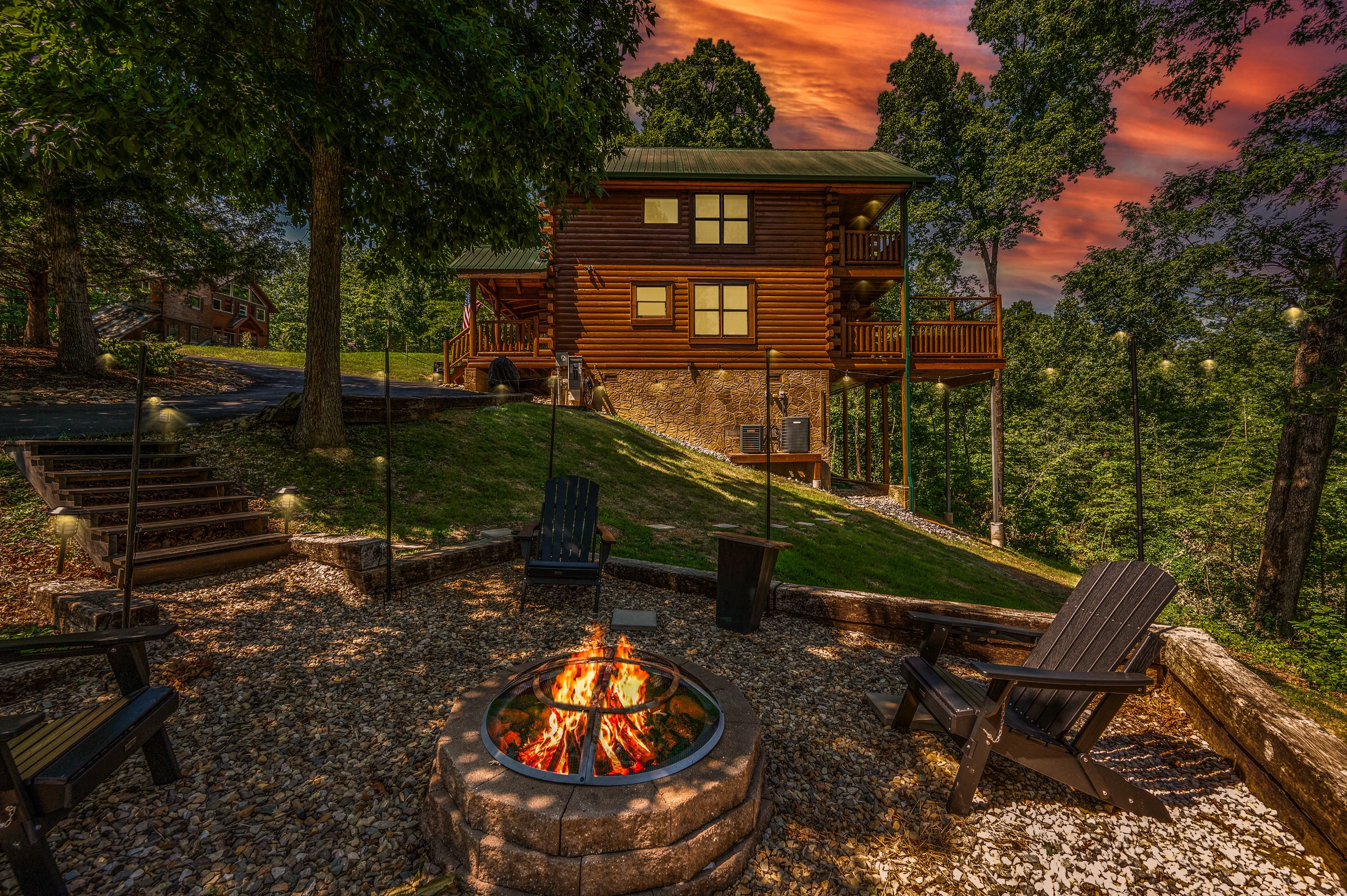
Planning the perfect Smoky Mountains getaway starts with choosing the right season and continues with selecting the ideal home base. Little Bear puts you just minutes from the park entrance with a private fire pit perfect for enjoying those crisp mountain evenings. Check availability for your ideal travel window.