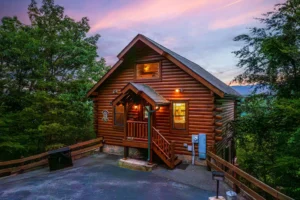

Gatlinburg is not cold in October, at least not during the day. Daytime highs average 70 to 73 degrees Fahrenheit, while nights cool down to a crisp 41 to 49 degrees. It only gets genuinely cold if you head up in elevation or stay through the final week of the month, when nighttime lows can dip into the high 30s.
- Daytime temperatures in Gatlinburg average 70-73F through most of October, according to 1991-2020 climate normals, making it one of the most comfortable months to visit.
- Nighttime lows drop from the low 50s in early October to the high 30s and low 40s by Halloween week.
- October is one of the driest months in Gatlinburg, averaging about 2.88 to 3.1 inches of rain across roughly 6 measurable precipitation days.
- Elevation changes everything: temperatures at higher elevations in the Smokies run 10-20F cooler than in downtown Gatlinburg, and frost is possible above 4,000 feet.
- October is peak season, with market data showing Gatlinburg-area short-term rental occupancy reaching 77.4% during fall foliage weeks, according to StaySTRA’s 2026 tracking.
- Historical extremes exist: Extreme Weather Watch records a 94F high on October 6, 1941, and a 15F low on October 30, 1952, though neither is typical.
If you’re planning a fall trip to the Smokies, the honest answer is that Gatlinburg in October feels closer to “sweater weather” than “coat weather,” at least until the sun goes down. As someone who has helped travelers plan Smoky Mountain trips for years at Hemlock Hills Cabin Rentals, this is one of the most common questions we field from guests every September, right after they’ve booked and started wondering what to pack.
The short version: October in Gatlinburg, Tennessee splits into two very different halves. The first two weeks run warm and dry, ideal for hiking in a t-shirt during the day and a light jacket at night. The back half of the month, especially after October 20th, brings noticeably cooler mornings and evenings as the region transitions toward true fall. In 2026, that pattern is expected to hold, based on long-term climate normals that have stayed remarkably consistent for the Smokies.
This guide breaks down exactly what to expect week by week, how elevation changes the equation dramatically, what to actually pack, and how October compares to the rest of the year for a Gatlinburg getaway.
Is October a Good Month to Go to Gatlinburg?
October is widely considered the single best month to visit Gatlinburg, combining comfortable daytime temperatures, low rainfall, and peak fall foliage across the Great Smoky Mountains National Park. Daytime highs in the low 70s pair with humidity around 71-72%, making hiking, sightseeing, and downtown strolls genuinely pleasant rather than sticky or oppressive.
The tradeoff is crowds. October also happens to be peak leaf-peeping season, and the region knows it. Occupancy data from StaySTRA shows Gatlinburg-area short-term rentals hitting 77.4% occupancy during October’s fall foliage window, a sharp jump from quieter shoulder months. If you want the best weather with fewer crowds, aim for the first full week of October or wait until just after Halloween, once foliage has passed peak but temperatures remain mild.
For families weighing when to book, this is the trade you’re making: warmer, drier weather and better photos versus busier restaurants and higher demand for cabins. Properties near downtown, like The Spirit Bear in Gatlinburg’s Arts and Crafts Community, tend to book out weeks ahead for peak foliage weekends, so reserving by late summer is smart if your dates are fixed.
What Is the Coldest Month in Gatlinburg?
January is Gatlinburg’s coldest month, with average lows dropping into the mid-20s and highs typically staying in the mid-40s to low 50s. October, by comparison, is one of the mildest and most temperate months on the calendar, sitting firmly in the “transitional fall” category rather than anywhere near true winter cold.
To put October in context: December through February bring the region’s harshest conditions, including occasional snow in town and more frequent snow at elevation on Clingmans Dome and Newfound Gap. October’s average low of 41-49F is roughly 15-20 degrees warmer than January’s typical overnight temperatures. As a result, October visitors rarely need heavy winter coats, insulated boots, or serious cold-weather gear, even though a jacket is essential once the sun sets.
The one exception: if you’re staying at a mountaintop cabin or hiking above 5,000 feet late in the month, conditions can feel closer to November than October. Guests at Smoky Mountain Serenity Lodge near Sevierville, which sits at a higher elevation with a rooftop terrace and private hot tub, often tell us the evening air up there has a noticeably sharper bite than what they feel walking the Gatlinburg Parkway downtown.
What Are the Four Worst Times to Visit Gatlinburg?
The four toughest windows to visit Gatlinburg are mid-summer (late June through August) due to heat and humidity, early-to-mid winter (January and February) due to cold and potential ice, the week of July 4th due to extreme crowding, and late February through early March, a muddy shoulder season with unpredictable weather and fewer blooming trails. October does not make this list. It’s consistently ranked among the best months to visit.
Summer in Gatlinburg brings highs regularly into the mid-80s with humidity that makes hiking uncomfortable by midmorning. Winter, meanwhile, brings the coldest temperatures of the year alongside occasional road closures at higher elevations. Late winter is arguably the least visually rewarding time, bare trees, muddy trails, and weather that swings unpredictably between 60F and 30F within the same week.
October avoids all of these problems. Rainfall is lower than in spring or summer, at roughly 2.88 to 3.1 inches for the month according to multiple climate sources, and the foliage transforms the same trails that feel muddy and gray in March into the region’s biggest visual draw. If you’ve been debating between a summer trip and a fall one, October wins on comfort, photography, and trail conditions almost every time.
What’s the Cheapest Month to Go to Gatlinburg?
January and February are typically the cheapest months to visit Gatlinburg, with the exception of the holiday weeks around Christmas and New Year’s. Cabin rates and hotel prices drop significantly once fall foliage traffic clears in early November, staying low through late winter until spring break demand picks back up in March.
October sits at the opposite end of the pricing spectrum. As one of the two or three busiest months of the year, rates climb accordingly. Regional short-term rental data from Local Realty Group’s October 2026 tracker showed an average daily rate of $486.33 across the Gatlinburg market, while broader Sevier County data from AirROI puts Pigeon Forge ADR closer to $337 during comparable peak months. Both numbers reflect real demand pressure during foliage season, not fabricated hype.
The takeaway for budget-conscious travelers: if dates are flexible, a January or February trip will cost meaningfully less. But if fall color and comfortable hiking weather matter more than saving money, October’s premium is the tradeoff you’re paying for peak conditions. Watching for last-minute deals on cabins can help offset some of that seasonal premium, especially for mid-week October stays rather than weekend arrivals.
How Does Gatlinburg’s October Weather Break Down Week by Week?
Gatlinburg’s October weather shifts meaningfully across the month, starting warm and ending noticeably cooler. Early October (the 1st through 10th) tends to run the warmest, with highs near 73F and lows in the low 50s. Mid-month settles into the classic 70/45 pattern most climate averages cite. By the final week, highs slide into the low 60s and overnight lows regularly dip into the high 30s to low 40s.
| Time Period | Average High | Average Low | What to Expect |
|---|---|---|---|
| Oct 1-10 | 72-74F | 50-53F | Warmest stretch, minimal foliage change yet |
| Oct 11-20 | 68-71F | 44-48F | Peak comfort window, foliage beginning |
| Oct 21-31 | 60-65F | 37-43F | Cooler mornings, peak-to-past-peak foliage |
This pattern explains why so many seasoned Smoky Mountain visitors specifically target the third week of October. Foliage is typically approaching its color peak at mid-elevations by then, and daytime temperatures haven’t yet dropped into the “need a real coat” territory that shows up by Halloween. Multiple climate sources, including the Gatlinburg tourism board and independent trackers like timeanddate.com’s climate data for Gatlinburg, confirm this general trajectory year after year.
One detail most general guides skip: the difference between town-level readings and what you’ll actually feel is bigger than people expect. Gatlinburg’s official weather station sits at roughly 1,300 feet, but many cabins, and most hiking trailheads, sit considerably higher.
How Does Elevation Change the Cold in the Smokies?
Elevation is the single biggest factor separating a mild October day in downtown Gatlinburg from a genuinely cold one on the trail. Temperatures in the Great Smoky Mountains typically drop about 3 to 5.5 degrees for every 1,000 feet of elevation gain, meaning a location at 4,000 feet can run 15-20F cooler than downtown Gatlinburg’s roughly 1,300-foot base elevation.
That means a 72F afternoon in town can translate to the high 50s at Newfound Gap (elevation 5,046 feet) or along the upper stretches of trails leading to Mount LeConte. According to the National Park Service Great Smoky Mountains climate page, this elevation effect is consistent and predictable, not occasional, which is why NPS rangers routinely remind hikers to check conditions before heading up regardless of what the forecast says for the valley floor.
At night, this gap widens further. Frost becomes a real possibility above 4,000 feet even in early-to-mid October, and by the last week of the month, isolated light snow at the highest elevations, Clingmans Dome sits at 6,643 feet, is not unheard of, even though it remains uncommon. This is genuinely important information most general weather articles skip entirely: you can leave a 70-degree Gatlinburg cabin in a t-shirt and find yourself underdressed within an hour if your hike gains 3,000 feet.
Can You Get Hypothermia Hiking in October Even If It Feels Mild?
Yes, hypothermia risk is real on Smoky Mountains trails in October, even when valley temperatures feel comfortable. The combination of elevation-driven cold, wind exposure on ridgelines, and sudden weather changes creates conditions where an underprepared hiker can become dangerously chilled, particularly if clothing gets wet from rain or sweat.
This is a gap most Gatlinburg weather guides miss entirely, and it matters. The National Park Service’s official hiking safety guidelines specifically warn that temperatures on high-elevation trails like Mount LeConte or Rocky Top can run 20-30 degrees colder than trailhead readings, with wind chill compounding the effect further on exposed ridges.
Practical thresholds worth knowing: above roughly 4,000 feet in late October, pack a genuine insulating layer (fleece or synthetic puffy, not just a cotton hoodie), plus a wind-resistant shell. Wet cotton loses insulating value almost entirely, which is why cotton-heavy outfits are the most common mistake we see among first-time fall hikers. If you’re tackling a longer route like the trail to Rocky Top and Thunderhead Mountain or the climb toward Mount LeConte, budget extra layers even if the trailhead feels warm at 9am.
Where Should You Go to Warm Up After a Cold October Hike?
After a cool morning on the trail, downtown Gatlinburg has several reliable spots to warm back up, ranging from casual coffee counters to sit-down dining rooms with fireplaces. The best approach is choosing somewhere with either a wood fire, hot food, or both, since October afternoons can still feel chilly if you’re damp from rain or sweat.
The Old Mill in Pigeon Forge remains a genuine local favorite for this exact scenario: hearty Southern breakfasts and lunches served in a historic gristmill setting, ideal for defrosting after an early trailhead start. For something closer to Gatlinburg’s Arts and Crafts Community, guests staying at properties like Gatlinburg Enchantment, walking distance from that district, often warm up right back at the cabin thanks to its private hot tub and indoor fireplace rather than driving anywhere at all.
If you’d rather stay downtown, look for restaurants with a wood-burning fireplace or a covered, heated patio, both common features along the Parkway during shoulder season. The practical tip locals use: if you’re hiking in the morning at elevation, plan your warm-up stop before you leave, since parking downtown fills quickly once the midday crowd arrives.

How Does Gatlinburg’s October Weather Compare to Pigeon Forge and Sevierville?
Gatlinburg, Pigeon Forge, and Sevierville share nearly identical October weather patterns since all three sit within roughly 15 miles of each other in the same valley system. The main variance comes from elevation and terrain rather than distance: Gatlinburg sits closer to the mountains and slightly higher, which can mean marginally cooler mornings compared to Sevierville’s lower valley floor.
In practical terms, the difference rarely exceeds 2-3 degrees on any given day. Pigeon Forge short-term rental data from AirROI shows an average daily rate of $337 during peak months, while Sevierville properties from AirDNA average around $383 per night in 2026, reflecting demand differences more than weather differences. If you’re choosing between the three towns purely on comfort, October treats all of them almost identically: mild days, cool nights, and a real chance of frost only if you’re staying at a mountaintop property or heading well above the valley floor.
This is useful context for trip planning. A cabin like Views Fore Days, a five-bedroom retreat near both Pigeon Forge and Gatlinburg with a private indoor heated pool, offers a practical hedge against any cool October evening since guests can swim regardless of outdoor temperature.
What Should You Pack for Gatlinburg in October?
Packing for Gatlinburg in October means dressing in layers you can add and remove throughout the day, since a single 24-hour period can swing more than 25 degrees from morning to afternoon. The core strategy is a breathable base layer, a mid-layer like a flannel or fleece, and a packable rain shell, rather than one heavy coat that works for only part of the day.
- A light-to-midweight jacket or fleece for evenings, when temperatures commonly fall into the 40s even mid-month.
- Layered clothing such as a t-shirt with a flannel overshirt, easy to shed once midday highs climb into the 70s.
- Sturdy, broken-in hiking boots with good tread, since trail surfaces can be damp from morning dew even on dry-forecast days.
- A packable rain jacket, since roughly 6 days of the month bring measurable precipitation, per multiple climate averages.
- A warm hat and gloves if you’re planning any high-elevation hiking, given the 10-20 degree temperature drop common above 4,000 feet.
- Sunglasses, since October averages around 7 hours of sunshine daily and glare through bare-to-turning canopy can be strong.
One detail generic packing lists miss: bring a change of socks for hikes. Morning trail conditions, especially near creek crossings on routes like Porters Creek Trail, tend to be damper than they look, and wet feet make a mild 65F afternoon feel far colder than it is.
What Outdoor Activities Work Best in Gatlinburg’s October Weather?
October’s combination of low humidity, mild highs, and minimal rainfall makes it the strongest month of the year for hiking, scenic drives, and outdoor sightseeing in the Smokies. Fewer bugs, drier trails, and dramatically improved long-range visibility (averaging 8-9 miles per timeanddate.com’s data) all favor outdoor plans over indoor ones.
Popular options include driving the Roaring Fork Motor Nature Trail for close-range foliage views, hiking shorter routes like Laurel Falls for families, or tackling longer elevation gains for panoramic overlooks. Before any serious hike, checking current conditions through the park’s official visitor center resources or a tool like GAIA GPS for real-time trail conditions is smart, especially late in the month when isolated frost or early snow at elevation becomes possible.
Families staying at group-sized properties benefit from October’s flexibility between active days and cozy evenings. Heaven’s Porch, which sleeps up to 16 across three floors with a home theater and mountain-view hot tub, works well for groups splitting the day between trail hikes and downtime once the afternoon cools off.
How Should You Choose Between an Early, Mid, or Late October Trip?
Choosing the right window within October comes down to prioritizing either warmth, foliage color, or lower crowds, since you generally can’t optimize for all three simultaneously. Early October delivers the warmest temperatures but often arrives before peak leaf color at lower elevations. Late October brings the best foliage displays but noticeably cooler mornings and higher chances of frost at elevation.
Common mistakes to avoid:
- Booking the first week of October expecting full fall color; peak color at Gatlinburg’s elevation (roughly 1,300-1,800 feet) typically arrives closer to the third or fourth week.
- Assuming Gatlinburg-town temperatures apply to trailhead conditions; always check elevation-specific forecasts before a serious hike.
- Skipping layers because the forecast shows a warm afternoon high; morning starts in the 40s are common even mid-month.
- Underestimating weekend crowds during the back half of October, when both foliage and Halloween-adjacent travel overlap.
For most travelers balancing weather comfort against foliage quality, the window from October 15th through October 25th tends to be the sweet spot. This is when the region typically hits its stride: comfortable daytime highs, meaningful color change, and slightly thinner crowds than the frenzied final weekend before Halloween.
Frequently Asked Questions
Do I need a winter coat in Gatlinburg in October?
No, a winter coat is not necessary for most October visits to Gatlinburg. A layered system, light jacket or fleece plus a packable rain shell, handles the typical 41-73F range comfortably. A heavier coat only becomes useful during the final week of October at higher elevations or on unusually cold nights.
Does it snow in Gatlinburg in October?
Snow in Gatlinburg itself during October is extremely rare and not something typical visitors should plan around. However, isolated light snow or frost is possible at the highest elevations in the Great Smoky Mountains National Park, such as near Clingmans Dome, especially during the last week of the month.
Is it colder in Gatlinburg or Pigeon Forge in October?
Gatlinburg and Pigeon Forge see nearly identical October temperatures, typically within 2-3 degrees of each other. Gatlinburg’s slightly higher elevation and closer proximity to the mountains can make mornings marginally cooler, but the difference is rarely noticeable to visitors.
What is the average temperature in Gatlinburg in October?
The average October temperature in Gatlinburg is approximately 70-73F for daytime highs and 41-49F for overnight lows, based on 1991-2020 climate normals. Mean temperatures for the month generally land in the low 60s once you average both day and night readings.
Is it too cold to swim outdoors in Gatlinburg in October?
Outdoor pool swimming becomes uncomfortable for most people by October, since air temperatures cool considerably by evening and unheated water temperatures drop accordingly. This is exactly why cabins with private indoor heated pools, such as Smoky Mountain Sequoia, remain popular for fall trips when guests still want a swim regardless of outside temperature.
What should I wear hiking in Gatlinburg in October?
Layered clothing works best: a moisture-wicking base layer, a fleece or flannel mid-layer, and a packable rain jacket. Sturdy hiking boots with good traction matter more in October than in summer since morning dew and occasional rain make trails slicker. Pack a hat and gloves if hiking above 4,000 feet.
Is October a rainy month in Gatlinburg?
October is actually one of Gatlinburg’s driest months, averaging only about 2.88 to 3.1 inches of rain across roughly 6 measurable precipitation days. This is notably lower than spring or summer rainfall totals, making October reliable for outdoor plans compared to wetter months.
How much warmer is downtown Gatlinburg than the mountain trails in October?
Downtown Gatlinburg sits at roughly 1,300 feet of elevation, while many popular trails and overlooks in the national park climb well above 4,000 feet. Because temperatures typically drop 3 to 5.5 degrees for every 1,000 feet of elevation gained, high-elevation trails can run 15-20 degrees colder than town on the same October day.
The Bottom Line on Gatlinburg’s October Weather
Gatlinburg is not cold in October, at least not in the way most people picture “cold.” Daytime highs in the low 70s and dry conditions make it one of the most comfortable months of the year to explore downtown, hike the national park, and catch the Smokies at peak color. The real cold, when it shows up, comes at night late in the month or at elevation on the trail, not from the valley floor climate most visitors actually experience.
Understanding that split, warm days versus cool nights, mild town versus chilly summits, is the difference between packing well and getting caught off guard. As 2026 shapes up to follow the same reliable climate pattern the Smokies have held for decades, travelers who layer smart and time their trip around mid-to-late October tend to get the best combination of comfort and color.
Whether you’re weighing a cozy cabin with a wood-burning fireplace or a mountaintop retreat with a hot tub for chilly evenings, matching your lodging to October’s day-night temperature swing makes the whole trip easier. For more help mapping out timing, packing, and activities, our Smoky Mountain Vacation Planner covers the full seasonal picture beyond just October.
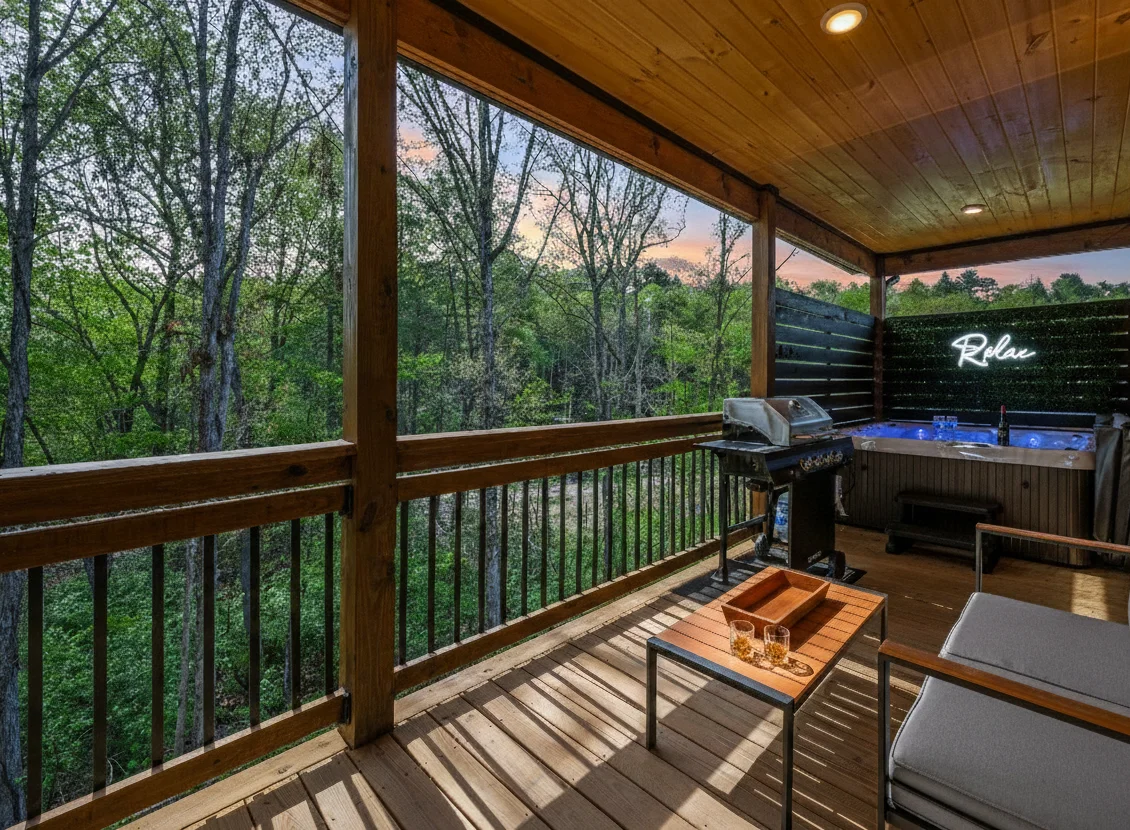
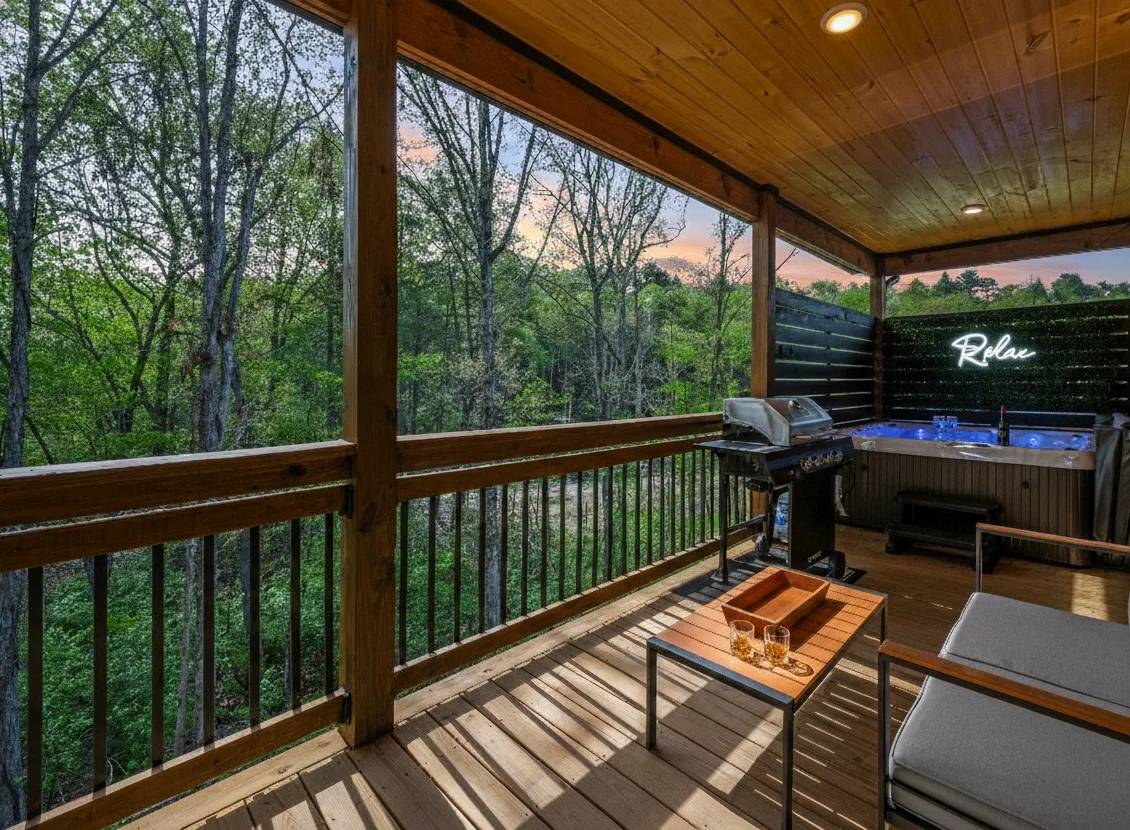
If cool October nights are part of what you’re planning around, Hillside Hideaway in Pigeon Forge puts a private covered hot tub right on the deck, a genuinely good spot to warm up after a chilly hike. Check availability at Hillside Hideaway.
Content powered by inkSTR.co