

Professional smoky mountain property management combines local expertise, comprehensive guest services, and revenue optimization to maximize owner earnings while minimizing hands-on involvement. Companies like Compass Vacation Properties, Grand Welcome, and Bear Tracts typically charge 15-30% commission fees but handle everything from guest screening to property maintenance, often increasing net owner income by 25-40% through dynamic pricing and professional marketing.
TL;DR
- Management fees typically range 15-30% but companies often increase gross revenue by 40-60% through professional marketing
- Full-service packages include cleaning, maintenance, guest services, and listing optimization across 20+ platforms
- Local regulations require business licenses and tax compliance in Gatlinburg, Pigeon Forge, and Sevierville
- Professional managers report average occupancy rates 20-25% higher than self-managed properties
- Insurance requirements include commercial liability coverage and specific short-term rental policies
- Revenue optimization through seasonal pricing can increase annual earnings by $15,000-$35,000 per property
The Smoky Mountain vacation rental market generates over $1.2 billion annually, making professional property management increasingly valuable for owners seeking consistent income without daily operational demands. With tourism surges pushing occupancy rates above 70% during peak seasons, property owners are recognizing that expert management often pays for itself through increased bookings and higher nightly rates.
The complexity of managing Smoky Mountain rentals in 2026 extends beyond basic guest communication. Short-term rental regulations vary between Gatlinburg, Pigeon Forge, and Sevierville, while guest expectations have evolved to demand instant responses, professional photography, and seamless check-in processes. Local management companies understand seasonal pricing dynamics, from Dollywood’s extended calendar to fall foliage demand patterns that can triple nightly rates.

What Services Do Smoky Mountain Property Management Companies Provide?
Full-service smoky mountain property management encompasses guest relations, property maintenance, marketing optimization, and financial reporting. Most companies handle guest communication from initial inquiry through checkout, coordinate housekeeping and maintenance, optimize listings across multiple platforms, and provide detailed revenue reporting to owners.
Compass Vacation Properties offers comprehensive management including professional photography, dynamic pricing, guest screening, and 24/7 emergency response. Their family-owned approach emphasizes transparent fee structures without hidden costs for credit card processing or platform subscriptions.
Grand Welcome manages properties across Airbnb, VRBO, and 30+ travel websites while providing detailed owner portals and personalized service. Their three-step process includes property assessment, optimization recommendations, and ongoing performance monitoring.
Bear Tracts adds unique value through their exclusive free attraction pass program, providing guests up to $1,072 worth of daily passes while conducting K9 bedbug inspections three times yearly at no owner cost. Their locally-owned approach includes transparent 12-month contracts with 60-day cancellation options.
Guest Services and Communication
Professional guest services include pre-arrival communication, digital guidebooks, 24/7 support, and post-checkout follow-up. Companies respond to guest inquiries within minutes rather than hours, handle booking modifications, and resolve issues before they impact reviews.
Most managers provide custom property guidebooks with local recommendations, Wi-Fi codes, and house rules. They coordinate early check-ins, late checkouts, and special requests while maintaining consistent five-star service standards that independent owners struggle to match.
Property Maintenance and Care
Preventive maintenance programs include HVAC servicing, hot tub chemical balancing, deck sealing, and appliance inspections. Companies maintain networks of licensed contractors for emergency repairs, coordinating service calls between guest stays to minimize revenue disruption.
Bear Tracts includes general pest control at $40 monthly with optional bedbug coverage for $36 monthly. Their maintenance teams handle everything from clogged drains to broken arcade games, ensuring amenities remain functional rather than becoming guest complaints.

How Much Do You Earn After Management Fees?
Property owners typically retain 70-85% of gross rental income after management fees, but professional marketing and pricing optimization often increases total revenue by 40-60%. A cabin generating $60,000 annually under self-management might produce $85,000-$95,000 with professional management, netting owners $65,000-$75,000 after fees.
Elk Springs Resort reports managing over 150,000 reservations since 2008, with an average of less than one property per year leaving their management program. This retention rate suggests owners experience satisfactory financial returns despite commission structures.
Revenue Optimization Strategies
Professional managers use dynamic pricing algorithms that adjust nightly rates based on local events, weather forecasts, and booking patterns. During Dollywood’s Festival of Nations or peak fall foliage weeks, experienced managers might charge $400-$600 per night for properties that inexperienced owners price at $250-$300.
Seasonal pricing expertise becomes particularly valuable during unexpected demand surges. When spontaneous events like sports tournaments or weather disruptions in competing destinations drive last-minute bookings, professional managers can capitalize with premium pricing that self-managed owners typically miss.
Occupancy Rate Improvements
Professional management companies report occupancy rates 20-25% higher than self-managed properties through superior listing optimization, professional photography, and multi-platform exposure. A property achieving 55% occupancy under owner management might reach 70-75% with professional marketing.
The occupancy improvement often exceeds the commission cost. If management fees consume 25% of gross revenue but increase bookings by 30%, owners experience net income growth despite the commission structure.
Professional Management vs. Self-Management: Cost-Benefit Analysis
Self-management requires 15-25 hours weekly for guest communication, cleaning coordination, maintenance scheduling, and listing management. Owners must handle midnight emergency calls, coordinate repairs between bookings, and maintain consistent response times that professional teams manage systematically.
Professional management eliminates time investment while often improving financial returns. Owners trading direct control for expert handling typically experience reduced stress, improved guest satisfaction scores, and higher net income through optimized pricing and increased occupancy.
Hidden Costs of Self-Management
Self-managed properties face hidden costs including emergency repair markups during guest stays, revenue losses from pricing mistakes, and guest refunds due to maintenance issues. Weekend emergency calls often cost 50-100% premiums that professional managers avoid through preventive maintenance.
Guest acquisition costs also favor professional management. Individual owners pay full commission rates to Airbnb and VRBO without volume discounts, while management companies negotiate better platform terms through portfolio leverage.
When Self-Management Works Better
Self-management suits owners with extensive hospitality experience, local residence for quick issue resolution, and properties generating under $40,000 annually where management fees represent larger percentage burdens. Some owners prefer direct guest relationships and complete control over pricing decisions.
Properties with unique characteristics requiring specialized knowledge, such as historic cabins or properties with unusual amenities, sometimes benefit from owner expertise that generic management approaches cannot match.

What Are Smoky Mountain Property Management Fees?
Management fees typically range 15-30% of gross revenue, varying based on services included and property characteristics. Full-service packages averaging 20-25% include guest services, cleaning coordination, maintenance, and marketing, while basic packages around 15% may exclude certain services.
Compass Vacation Properties emphasizes transparent pricing without hidden fees for credit card processing, photography, or platform subscriptions. Their over 40 years of combined marketing expertise supports premium service delivery that justifies competitive commission rates.
Fee Structure Breakdown
Most companies charge percentage-based commissions rather than flat monthly fees, aligning management incentives with owner revenue goals. Higher-producing properties may negotiate lower percentage rates, while properties requiring extensive maintenance might face premium pricing.
Additional fees can include setup costs ($200-$500), professional photography ($150-$400), and damage protection programs ($25-$50 monthly). These one-time or ongoing charges should be clearly disclosed during initial consultations rather than discovered after signing agreements.
What’s Included vs. Extra Costs
Full-service management typically includes guest communication, housekeeping coordination, basic maintenance, listing optimization, and financial reporting. Premium services like interior design consultations, hot tub maintenance, or extensive landscaping may incur additional charges.
Bear Tracts covers all credit card fees, marketing costs, professional photography, and linen service with no hidden charges. Their transparent approach contrasts with companies that advertise low commission rates but add numerous ancillary fees.
What Legal Requirements Apply to Smoky Mountain Rentals?
Short-term rental operations in Gatlinburg, Pigeon Forge, and Sevierville require business licenses, tax registration, and compliance with local zoning regulations. Each municipality maintains specific requirements for safety inspections, occupancy limits, and operational standards.
Professional management companies handle regulatory compliance including business license renewals, tax collection and remittance, and safety requirement adherence. This compliance management protects owners from potential fines and ensures continued operation eligibility.
Municipal Licensing Requirements
Gatlinburg requires vacation rental permits with annual renewals, safety inspections, and compliance with parking and noise ordinances. Pigeon Forge maintains similar permitting with additional requirements for properties in residential zones.
Sevierville’s regulations include occupancy limits based on bedrooms and parking availability, with enforcement focused on neighborhood impact mitigation. Professional managers maintain current knowledge of evolving regulations across all three municipalities.
Tax Obligations and Collection
Tennessee requires sales tax collection on short-term rentals, with local occupancy taxes varying by municipality. Professional managers handle tax registration, collection integration with booking platforms, and accurate remittance to appropriate authorities.
Tax compliance becomes particularly complex with multiple booking platforms each handling remittance differently. Professional managers coordinate with Airbnb, VRBO, and direct booking systems to ensure comprehensive compliance without double-taxation issues.
What Insurance Do Smoky Mountain Rental Properties Need?
Short-term rental properties require commercial liability insurance, often through specialized vacation rental policies rather than standard homeowner’s coverage. Property owners need protection against guest injuries, property damage, and liability claims exceeding typical homeowner’s policy limits.
Professional managers often coordinate with insurance providers familiar with vacation rental risks, ensuring adequate coverage for common issues like hot tub injuries, deck accidents, or guest-caused property damage. Some management companies offer damage protection programs as alternatives to traditional security deposits.
Commercial vs. Personal Insurance
Standard homeowner’s insurance typically excludes coverage for commercial activities like short-term rentals. Specialized policies address unique risks including guest injuries, property theft, and loss of rental income during repair periods.
Commercial policies cost 20-40% more than homeowner’s coverage but provide essential protection for rental operations. Professional managers help owners navigate insurance requirements and may recommend specific providers experienced with Smoky Mountain vacation rentals.
Liability Protection Strategies
Property managers implement safety protocols including regular inspections, maintenance documentation, and guest safety communications. These proactive measures reduce liability exposure while supporting insurance claims when incidents occur.
Some companies require guests to acknowledge safety rules for amenities like hot tubs, fire pits, and game room equipment. This documentation provides legal protection while educating guests about proper usage protocols.
How Do Seasonal Trends Affect Smoky Mountain Rental Revenue?
Smoky Mountain rentals experience dramatic seasonal variations, with peak fall foliage weeks commanding 200-300% premiums over winter rates. Professional managers understand these patterns intimately, adjusting pricing strategies months in advance to capture maximum revenue during high-demand periods.
Spring and summer maintain strong demand through Dollywood’s extended season, while winter offers opportunities for romantic getaway pricing despite lower overall demand. Experienced managers balance occupancy goals with revenue optimization across these seasonal fluctuations.
Peak Season Pricing Strategies
Fall foliage season from mid-September through early November represents peak earning potential, with successful properties commanding $300-$600 nightly rates. Professional managers begin accepting bookings for following year’s peak season immediately after current year conclusions.
Dollywood’s extended calendar and special events create mid-year demand spikes that inexperienced owners often miss. Professional managers track theme park schedules, local festivals, and special events to optimize pricing around predictable demand increases.
Off-Season Revenue Maintenance
Winter months require strategic pricing to maintain cashflow while covering property expenses. Professional managers might reduce rates by 40-50% while emphasizing cozy amenities like fireplaces, hot tubs, and mountain views that appeal to romantic getaway seekers.
Marketing focus shifts during off-seasons to highlight indoor entertainment, proximity to shopping, and winter-specific activities. Professional photography showcases properties in all seasons to support year-round booking appeal.
What Technology Tools Do Management Companies Use?
Modern property management relies on integrated software platforms that synchronize calendars across multiple booking sites, automate guest communications, and provide real-time performance analytics. Leading companies use professional management software rather than basic solutions that individual owners typically access.
Dynamic pricing algorithms adjust rates based on local events, weather forecasts, competitor analysis, and historical booking patterns. These tools require substantial investments and expertise that justify professional management fees through improved revenue performance.
Channel Management and Distribution
Professional managers distribute listings across Airbnb, VRBO, Booking.com, and 20+ additional platforms while maintaining calendar synchronization that prevents double-bookings. Individual owners typically manage 2-3 platforms manually, limiting exposure and creating scheduling risks.
Grand Welcome’s multi-platform approach demonstrates the value of comprehensive distribution, reaching travelers through diverse channels while maintaining consistent messaging and pricing across all platforms.
Guest Communication Automation
Automated messaging systems handle pre-arrival instructions, check-in details, and post-stay follow-up while maintaining personalized touches that guests appreciate. Professional systems integrate with smart locks, provide property-specific guidebooks, and handle common inquiries without human intervention.
Response time automation ensures guests receive immediate acknowledgment with detailed responses following quickly. This professional approach improves guest satisfaction scores while reducing management workload for routine communications.
How Do Guest Screening and Safety Protocols Work?
Professional managers implement comprehensive guest screening including identity verification, background checks, and review history analysis. These protocols reduce property damage risk while ensuring guest safety through verified identification and behavioral history assessment.
Safety protocols extend beyond guest screening to include property inspections, emergency procedure documentation, and 24/7 support availability. Professional managers maintain relationships with local emergency services and provide guests with clear safety information upon arrival.
Damage Prevention Strategies
Preventive measures include security deposits, damage waiver programs, and clear house rules communication. Professional managers balance guest experience with property protection through reasonable policies consistently enforced.
Some companies use technology solutions like noise monitoring devices and occupancy sensors to ensure compliance with house rules. These tools provide early intervention opportunities before minor issues become major problems.
Emergency Response Procedures
Professional managers maintain 24/7 emergency response capabilities with local contractor networks and emergency service relationships. Guests receive emergency contact information and clear procedures for various situations from medical emergencies to utility failures.
Response protocols include guest relocation procedures for major issues, insurance claim coordination, and communication with property owners throughout emergency situations. This professional handling protects both guest experience and owner interests.
What Should Owners Expect During Property Onboarding?
Professional onboarding typically requires 2-4 weeks and includes property assessment, optimization recommendations, professional photography, and listing creation across multiple platforms. Companies evaluate existing amenities, suggest improvements, and develop marketing strategies specific to each property’s strengths.
The setup process involves legal documentation, insurance verification, key management system installation, and staff training on property-specific features. Thorough onboarding ensures smooth operations from the first booking while establishing clear communication protocols with owners.
Property Assessment and Optimization
Initial assessments evaluate furniture quality, amenity functionality, and aesthetic appeal while identifying improvement opportunities that increase booking potential. Professional managers might recommend specific furniture additions, décor updates, or amenity upgrades based on market research.
Optimization suggestions balance investment costs with revenue potential, helping owners prioritize improvements that generate measurable booking increases. Some companies provide design services or contractor referrals to implement recommended changes.
Photography and Marketing Setup
Professional photography represents a crucial investment, with quality images directly correlating to booking success. Management companies typically coordinate with experienced vacation rental photographers who understand how to showcase properties effectively across multiple platforms.
Marketing setup includes listing copywriting, amenity highlighting, and local attraction information that helps properties stand out in competitive markets. Professional managers understand platform-specific optimization techniques that improve search ranking and booking conversion rates.
How Do You Choose the Right Smoky Mountain Property Manager?
Selecting appropriate management requires evaluating local market knowledge, technology capabilities, fee structures, and communication styles. The best manager for your property depends on specific goals, property characteristics, and desired level of involvement in day-to-day operations.
Interview multiple companies to compare approaches, ask for references from current clients, and review sample owner reports to understand communication styles and performance metrics. The decision significantly impacts both financial returns and peace of mind.
Key Questions to Ask Potential Managers
Essential questions include commission structures, included services, emergency response procedures, and performance guarantees. Ask about average occupancy rates, typical setup timelines, and specific strategies for your property type and location.
Inquire about technology platforms, guest screening procedures, and maintenance networks. Understanding how companies handle common issues like guest complaints, emergency repairs, and seasonal pricing provides insight into operational competence.
Red Flags to Avoid
Warning signs include unrealistic revenue projections, unclear fee structures, poor communication during initial consultations, or pressure to sign agreements immediately. Legitimate companies provide detailed proposals and allow time for decision-making.
Avoid companies with excessive hidden fees, limited local presence, or inability to provide current client references. Professional managers welcome scrutiny and provide transparent information about their operations and performance history.
What Do Real Owners Say About Professional Management?
Elk Springs Resort’s track record of managing over 150,000 reservations with less than one property annually leaving their program suggests strong owner satisfaction. Their consistent Trip Advisor Certificate of Excellence recognition indicates both guest and owner approval of their management approach.
Success stories typically emphasize increased revenue, reduced stress, and improved property maintenance. Owners appreciate professional handling of guest issues, emergency repairs, and seasonal optimization that they struggled to manage independently.
Common Owner Experiences
Successful management relationships feature clear communication, consistent performance reporting, and proactive problem-solving. Owners value managers who provide detailed monthly reports, respond promptly to concerns, and demonstrate genuine investment in property success.
Challenges typically arise from mismatched expectations, inadequate communication, or service levels that don’t justify commission costs. The most successful partnerships involve owners who clearly communicate goals and managers who deliver consistent results aligned with those objectives.
ROI and Performance Metrics
Measurable benefits include increased occupancy rates, higher average daily rates, improved guest satisfaction scores, and reduced maintenance costs through preventive care. Professional managers typically provide monthly reports documenting these performance indicators.
Financial returns often exceed expectations when professional marketing and pricing optimization combine with operational efficiency. Owners frequently report that management fees pay for themselves through improved revenue performance and reduced time investment.
What Are the Most Common Property Management Mistakes to Avoid?
Common mistakes include choosing managers based solely on commission rates, failing to establish clear communication expectations, and not reviewing performance metrics regularly. The lowest-cost option rarely provides the best long-term value for property owners.
Inadequate vetting of management companies can result in poor guest experiences, maintenance neglect, and disappointing financial performance. Thorough research and reference checking prevent costly mistakes that damage both revenue and property condition.
Service Level Mismatches
Misaligned service expectations create frustration when owners expect premium services at budget prices or comprehensive management at basic service levels. Clear communication about included services and additional costs prevents disappointment and disputes.
Some owners underestimate the time and expertise required for professional management, expecting unrealistic results without adequate investment in services and improvements. Successful partnerships require realistic expectations aligned with service levels.
Communication Breakdowns
Poor communication leads to maintenance delays, guest service failures, and owner dissatisfaction. Establish clear protocols for regular updates, emergency notifications, and performance reviews to maintain productive working relationships.
The most successful management relationships feature proactive communication from managers who keep owners informed about performance trends, market conditions, and optimization opportunities rather than only contacting owners when problems arise.
Frequently Asked Questions
How much do Smoky Mountain property management companies charge?
Management fees typically range from 15-30% of gross rental revenue, with full-service packages averaging 20-25%. Companies like Compass Vacation Properties and Bear Tracts offer transparent pricing without hidden fees for credit card processing or platform subscriptions. Additional costs may include setup fees ($200-$500) and professional photography ($150-$400).
Will professional management increase my rental income?
Professional managers often increase gross revenue by 40-60% through optimized pricing, professional marketing, and higher occupancy rates. While management fees consume 20-25% of revenue, the increased bookings typically result in higher net income for owners. Properties generating $60,000 under self-management might produce $85,000-$95,000 professionally managed.
What legal requirements apply to Smoky Mountain vacation rentals?
Short-term rentals require business licenses in Gatlinburg, Pigeon Forge, and Sevierville, plus compliance with local zoning regulations and safety requirements. Tennessee mandates sales tax collection on rental income, with additional local occupancy taxes varying by municipality. Professional managers handle regulatory compliance including license renewals and tax remittance.
What insurance coverage do vacation rental properties need?
Rental properties require commercial liability insurance rather than standard homeowner’s coverage, as personal policies typically exclude commercial activities. Specialized vacation rental policies cost 20-40% more but provide essential protection for guest injuries, property damage, and loss of rental income during repairs.
How long does it take to start earning income with professional management?
Property onboarding typically requires 2-4 weeks including assessment, professional photography, and listing optimization across multiple platforms. First bookings usually occur within 30-60 days depending on seasonality and local demand. Peak seasons like fall foliage may require advance booking windows of 6-12 months.
Can I switch property management companies if unsatisfied?
Most management agreements include cancellation clauses, though terms vary by company. Bear Tracts offers 12-month contracts with 60-day cancellation options, while others may require longer notice periods. Switching involves transferring guest bookings, updating platform listings, and coordinating key management transitions.
What happens if guests damage my property?
Professional managers handle damage assessment, guest communication, and insurance claim coordination. Most companies require security deposits or damage waiver programs to cover minor issues, while insurance policies address major damage. Guest screening procedures help prevent damage through identity verification and review history analysis.
Making Your Smoky Mountain Property Management Decision
Professional smoky mountain property management delivers measurable benefits through increased revenue, reduced owner workload, and expert handling of guest relations and property care. The key to success lies in selecting a management partner whose service level, communication style, and local expertise align with your specific goals and expectations.
The investment in professional management typically pays for itself through improved occupancy rates, optimized pricing, and reduced maintenance costs. Whether you choose established companies like Compass Vacation Properties with their transparent fee structure, or specialized providers like Bear Tracts with their unique guest value programs, the right management partner transforms property ownership from a demanding second job into a profitable investment.
As the Smoky Mountain vacation rental market continues evolving with new regulations, guest expectations, and technology platforms, professional management provides the expertise and resources necessary to remain competitive while maximizing returns. The decision ultimately depends on your goals, but the evidence consistently shows that expert management delivers superior financial and operational outcomes for property owners.
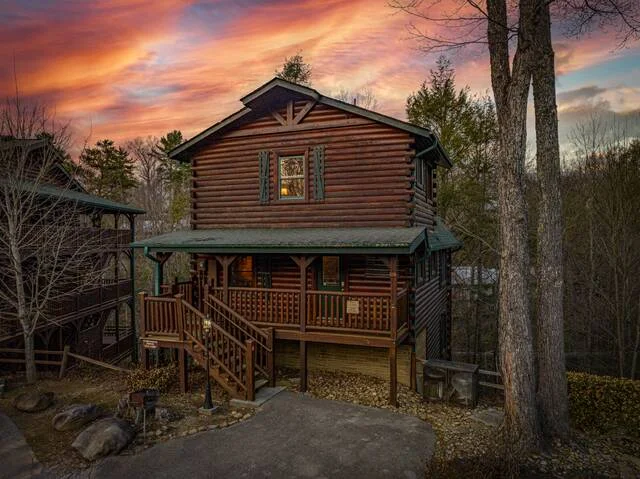
For property owners ready to optimize their Smoky Mountain investment, Smoky Mountain Serenity Lodge exemplifies what professional management can achieve. This luxury property at The Lodges of Reedmont features the kind of premium amenities and strategic location that generate strong returns under expert management. Explore this property to see professional management in action.