
Gatlinburg, Tennessee is known for Smoky Mountain trout, Southern fried chicken, slow-smoked BBQ ribs, Appalachian stack cake, and moonshine. The town’s food identity is rooted in Appalachian mountain cooking traditions, amplified by a robust tourism economy that draws more than 14 million visitors annually to the Smoky Mountains corridor. Whether you want a cast-iron skillet of cornbread or a tasting flight at a downtown distillery, Gatlinburg delivers.
TL;DR: Gatlinburg Food at a Glance
- Gatlinburg sits within Sevier County, which drew over 13.2 million visitors in 2023: 2024, according to the Compass Ventures Sevier County Growth Report 2026, making its dining scene one of the most visited in Tennessee.
- The town’s most iconic foods are Smoky Mountain trout, Southern fried chicken, slow-smoked BBQ, cornbread baked in cast iron, banana pudding, and Appalachian stack cake.
- Moonshine distilleries along the Gatlinburg Parkway trace their heritage to Prohibition-era Appalachian home distilling and now offer dozens of flavored varieties for tasting.
- Breakfast culture is unusually strong here: thick-cut pancakes, sweet potato varieties, and all-day griddle cakes draw long lines at spots like Crockett’s 1875 Breakfast Camp and The Pancake Pantry.
- Fine dining options including The Peddler Steakhouse and The Greenbrier Restaurant offer Certified Angus Beef, game meats, and local seafood alongside a nationally recognized salad bar.
- In 2026, Gatlinburg’s dining scene continues to grow, with new farm-to-table concepts joining decades-old institutions, giving first-time visitors and repeat guests more variety than ever.
Most visitors expect souvenir shops and roller coasters when they picture Gatlinburg. What surprises them is the food. The Smokies’ culinary identity runs deeper than funnel cakes and taffy: it draws on centuries of Appalachian cooking that used what the mountains provided, trout from cold streams, dried apples from the orchard, sorghum from the field. Today those traditions share menu space with serious steakhouses, weekend farmers markets, and craft distilleries that have turned moonshine from contraband into a legitimate Tennessee export.
This guide covers the specific dishes Gatlinburg is genuinely famous for, the restaurants best positioned to deliver them, and a few practical details that most food guides skip, including the best days to visit crowded spots, which dietary-specific options actually hold up, and how to build a full day of eating without doubling back across the Parkway. Use our Smoky Mountain vacation planner to map out your full itinerary before you arrive.
What Makes Gatlinburg Food Different from Generic Southern Cooking?
Gatlinburg food refers to a specific subset of Southern Appalachian cooking that relies on mountain-sourced ingredients, open-fire techniques, and recipes passed down through East Tennessee families for generations. The cuisine differs from lowland Southern cooking in three key ways: freshwater fish replaces fried catfish, sorghum sweetener appears where cane sugar would in the Deep South, and stack cake takes the place of layer cake at celebration meals.
Specifically, Appalachian cooking is defined by its resourcefulness. Dried apples, wild ramps, hickory-smoked meats, and stone-ground cornmeal are the building blocks. The Great Smoky Mountains National Park, which attracts over 10 million visitors annually according to the National Park Service, sits directly adjacent to Gatlinburg, meaning the mountain environment shapes what locals grow, catch, and cook.
Additionally, Gatlinburg’s tourism boom over the past several decades brought restaurant diversity without erasing the original food traditions. You can eat game meat at a white-tablecloth restaurant one night and order banana pudding from a counter window the next morning. That range is the defining quality of the Gatlinburg food scene in 2026, and it is what sets the town apart from every other Tennessee destination of comparable size.
For broader context on the region’s food culture, the official Gatlinburg food and drink page organizes the dining landscape by category, from barbecue and comfort food to specialty shops carrying regional jams, sauces, and baked goods.
What Is Tennessee’s Most Famous Food and How Does Gatlinburg Fit In?
Tennessee’s most famous foods are hot chicken, country ham, and pulled pork barbecue, with Nashville hot chicken dominating the national conversation. Gatlinburg’s contribution to Tennessee food culture is distinct: the town is the primary place where Appalachian mountain cooking traditions, specifically Smoky Mountain trout, sorghum-sweetened stack cake, and cast-iron cornbread, are preserved and served at scale for visiting travelers.
Hot chicken exists on some Gatlinburg menus as a nod to statewide trends, but it is not what the town is known for. Gatlinburg’s food identity is closer to East Tennessee mountain cooking than to Nashville’s street-food culture. Think wood smoke, cold-stream fish, and dried-fruit desserts rather than spice-rack heat and hot oil.
Tennessee’s broader tourism industry welcomed 147 million visitors in 2026 and generated $31.7 billion in direct spending, according to the Tennessee Department of Tourist Development. Sevier County, which includes Gatlinburg, Pigeon Forge, and Sevierville, ranked third in the state for direct visitor spending in 2023 at approximately $3.85 billion. That economic weight supports a restaurant ecosystem unusual for a town of Gatlinburg’s size, with fine dining, casual Southern kitchens, and specialty food shops all operating within a few blocks of each other.
What Is Gatlinburg Most Famous For in Terms of Food?
Gatlinburg is most famous for its moonshine distilleries, thick-cut pancake houses, Smoky Mountain trout, slow-smoked barbecue, and Appalachian stack cake. These five categories represent the food experiences visitors most commonly cite when describing the town’s culinary identity. No other Tennessee city combines all five in a single walkable downtown district.
Here are the 11 foods and food categories that define what Gatlinburg, TN is known for:
1. Smoky Mountain Trout
Smoky Mountain trout is a freshwater fish pulled from the cold, clear streams running through the Great Smoky Mountains. It appears on Gatlinburg menus pan-seared, grilled, and blackened. The fish has a delicate, mild flavor that absorbs wood-smoke and lemon well. The Greenbrier Restaurant prepares it with Southern-style accompaniments and is one of the more reliable kitchens for showcasing the fish at its best.
Order the trout pan-seared if it is your first time. The blackened version at heavier-seasoned restaurants can overpower the mountain flavor that makes the dish interesting. Skip any preparation described as “fried” unless you specifically want a fish-and-chips experience rather than the regional dish.
2. Thick-Cut Pancakes
Pancake houses are a Gatlinburg institution, and the town has more of them per square mile than almost anywhere in Tennessee. Crockett’s 1875 Breakfast Camp is the standout: the griddlecakes are notably thick, and the menu includes Corned Beef Hash Benedict and Pan-Fried Pork Chops alongside the signature pancakes. Arrive before 9 AM on weekdays to avoid a 30-to-45-minute wait.
The Pancake Pantry is the other essential stop. Their sweet potato pancakes, finished with a cinnamon cream syrup, are the single most requested item in the building. The Log Cabin Pancake House offers an extensive menu in a quieter setting, which makes it the better choice on busy summer weekends when wait times downtown can stretch past an hour.
3. Moonshine and Distillery Culture
Gatlinburg moonshine refers to corn-based distilled spirits produced in the East Tennessee tradition, with roots in Prohibition-era Appalachian home distilling. Downtown Gatlinburg’s Parkway has become one of the most concentrated stretches of craft distilleries in the American South. Flavored varieties including apple pie, peach, blackberry, and cinnamon heat dominate the tasting menus at most locations.
Ole Smoky Moonshine, referenced in the Bear View Cabin listing, is the most prominent name on the strip. Tasting flights are typically free or low-cost. Go on a Tuesday or Wednesday to avoid the weekend crush when lines at the most popular distilleries back onto the sidewalk. If you are staying at You Are My Moonshine, the cabin’s name is a nod to exactly this local tradition, and the Sevierville location puts you roughly 20 minutes from downtown Gatlinburg’s distillery row.
4. Southern Fried Chicken
Southern fried chicken in Gatlinburg is characterized by a crisp, golden crust with a buttermilk brine base that keeps the meat juicy through the fry. Most kitchens serve it alongside creamy mashed potatoes, coleslaw, or cast-iron cornbread. The Greenbrier Restaurant’s buttermilk fried chicken is consistently cited as one of the better versions in town, and it pairs with the restaurant’s rotating seasonal sides.
Honest caveat: Gatlinburg has no shortage of mediocre fried chicken at tourist-facing restaurants. If you want the real version, go to spots that clearly identify a Southern or Appalachian menu focus rather than chains or general American diners. The tourist volume on the Parkway means lower-quality food is easy to stumble into.
5. Slow-Smoked BBQ Ribs and Pulled Pork
Barbecue is a Gatlinburg staple, with slow-cooked pork ribs and pulled pork sandwiches appearing at multiple dedicated pits and casual kitchens. Bennett’s Pit Bar-B-Que is the most frequently cited name in regional food guides for ribs that fall off the bone with a tangy-sweet sauce glaze. Delauder’s BBQ earns strong local recommendations for pulled pork and BBQ chicken cooked low and slow over real wood.
Smith and Son Corner Kitchen takes barbecue in a slightly different direction, smoking meatloaf alongside ribs and offering Delta-style catfish as an alternative protein. Their hickory house sauce is distinct from the sweeter regional norm. Visit their menu page before arriving since daily specials rotate and certain smoked items sell out by mid-afternoon.
6. Cornbread Baked in Cast Iron
Cast-iron cornbread is a foundational side dish across Gatlinburg’s Southern and Appalachian restaurants. The traditional version is slightly sweet, dense, and crumbly with a caramelized crust from the iron skillet. It appears at nearly every barbecue spot and comfort-food diner in town and is often served with honey butter or sorghum.
If you want to take the experience back to your cabin, most Gatlinburg specialty food shops along the Parkway sell stone-ground cornmeal blends and pre-seasoned cast-iron pans. The specialty food shops section of Gatlinburg’s official site lists retailers carrying local cornmeal, jams, and other regional pantry items. Cabins with fully equipped kitchens, like the gourmet marble kitchen at Smoky Mountain Serenity Lodge, give you everything you need to try the recipe yourself on a slow morning.
7. Appalachian Stack Cake
Appalachian stack cake is a multi-layer regional dessert made with thin sorghum-sweetened cake layers filled with spiced apple butter or reconstituted dried apples. It is genuinely specific to the Southern Appalachian region. Historically, wedding guests each brought one layer, and the assembled cake measured the community’s affection for the couple.
Stack cake is harder to find than pancakes or BBQ. Look for it at specialty bakeries, country-cooking restaurants, and fall festival vendors. The Bloomin’ BBQ Music and Food Festival, historically held in Sevierville each spring, and the Smoky Mountain Harvest Festival in fall both feature regional dessert vendors who commonly offer stack cake alongside apple butter and other orchard-driven sweets. These seasonal events are worth timing your visit around if traditional Appalachian desserts are a priority.
8. Banana Pudding
Banana pudding is a Southern dessert staple that Gatlinburg restaurants take seriously. The standard preparation layers vanilla custard, ripe banana slices, and crispy Nilla wafers, topped with either meringue or fresh whipped cream. Most of Gatlinburg’s barbecue restaurants and Southern comfort kitchens offer it as a house dessert.
The best versions have visible wafer texture rather than a fully soggy base, which means ordering it fresh rather than grabbing a pre-portioned cup. Ask the server when it was made. At busy tourist kitchens, pudding that has been sitting in a display case for several hours loses its textural contrast.
9. Cinnamon Bread and Pastries from The Donut Friar
The Donut Friar is a Gatlinburg landmark bakery open daily at 5 AM, making it the only serious early-morning destination on the Parkway before the pancake houses fill up. The shop is best known for its cinnamon bread, a soft, pull-apart loaf coated in cinnamon sugar that regulars buy by the loaf to bring home. Donuts, pastries, and fritters round out the menu.
The Donut Friar’s Facebook page posts daily and frequently notes when specialty items or seasonal flavors are available. Arrive before 7 AM if you want the cinnamon bread fresh from the first bake. By mid-morning on weekends, it often sells out.
10. Steakhouse and Fine Dining
Gatlinburg’s steakhouse tradition is anchored by The Peddler Steakhouse, which serves Certified Angus Beef cuts alongside what many reviewers describe as one of the best salad bars in the region. The riverside setting, on a covered deck above a creek, gives the meal a distinctly Smoky Mountains atmosphere that most urban steakhouses cannot replicate. Reservations are strongly recommended on weekends and during fall foliage season, roughly late September through early November.
The Greenbrier Restaurant offers a more eclectic upscale option, with Beef Wellington, Duck Confit Egg Rolls, shrimp and grits, and rotating seasonal preparations sitting alongside the buttermilk fried chicken. For visitors who want fine dining with genuine regional ambition rather than a generic steakhouse, The Greenbrier is the stronger choice.
11. Game Meats and the Heirloom Approach
Heirloom Room in Gatlinburg represents the most ambitious edge of the local food scene, offering frog legs, smoked wild boar croquettes with roasted garlic aioli, and a spicy venison loin with smoked chili rub and tarragon béarnaise. These dishes are not traditional Appalachian fare, but they draw on the mountain hunting culture that has always been part of East Tennessee life, interpreted through a modern technique lens.
This is the restaurant to recommend to travelers who want something genuinely different from Southern comfort food. The game menu rotates with availability, so check before you go. Not every item appears on every service. It is also the most reservation-essential spot in Gatlinburg: walk-ins are possible on slow weeknights but risky during peak summer and fall weekends.
What Is Tennessee’s Signature Dish? (And the Gatlinburg Version)
Tennessee’s signature dish is widely considered to be hot chicken, a Nashville invention of spice-paste-fried chicken served on white bread. Gatlinburg’s signature dish, by contrast, is Smoky Mountain trout, reflecting the town’s geographic identity as a mountain community rather than a lowland city. The two dishes represent two distinct culinary traditions within a single state.
Specifically, Gatlinburg’s location at the edge of Great Smoky Mountains National Park means the local food culture developed around what the mountains provided: cold-stream fish, wild game, orchard fruit, and grains grown in Appalachian valleys. Where Nashville hot chicken is urban, bold, and built for street food, Smoky Mountain trout is rural, subtle, and best experienced in a restaurant that can let the fish speak for itself with minimal intervention.
For visitors coming from Nashville or Knoxville, the food culture shift between those cities and Gatlinburg is noticeable. Local Goat restaurant, which has a location near Pigeon Forge and is about 2.5 miles from Wandering Oak, bridges the gap with scratch-made burgers, steaks, and local brews in a casual setting. It is a reliable middle ground for groups that cannot agree on Southern versus modern American.
When Should You Visit Gatlinburg for the Best Food Experiences?
The best times to visit Gatlinburg for food are spring (April through early June) and mid-fall (mid-October through early November). Spring brings lower crowd levels, meaning shorter waits at popular breakfast spots and a better chance of snagging walk-in seats at restaurants that go reservation-only in peak season. Fall is the best time for seasonal foods: apple butter, stack cake, and orchard-fresh ciders appear at roadside stands and festival markets during the Smoky Mountain Harvest Festival.
Summer (July and August) is the busiest period by visitor volume. Sevier County’s 13.2 million annual visitors are heavily concentrated in those two months, according to the Compass Ventures Sevier County Growth Report 2026. Wait times at the most popular breakfast spots can exceed an hour on Saturday mornings. If you visit in summer, eat breakfast before 8 AM or after 10:30 AM to avoid the worst of the rushes.
Winter visits offer the quietest dining experience. Most restaurants remain open, moonshine distilleries offer tasting flights without queues, and the holiday markets in December typically feature regional specialty foods including stack cake, dried apple confections, and locally produced honey and jam. Cabin rental rates are also lower in winter, and Hemlock Hills properties like Forest Creek Retreat and its well-equipped kitchen make a strong case for cooking some meals in instead of battling any remaining crowds on the Parkway.
Are There Allergy-Friendly and Dietary-Specific Options in Gatlinburg?
Gatlinburg’s dining scene has grown more accommodating of dietary needs since 2026, but it remains primarily meat-centric and gluten-heavy by tradition. Travelers with specific dietary requirements should plan ahead rather than assuming broad menu flexibility. This is one of the content gaps that most Gatlinburg food guides skip entirely, and it is worth addressing directly.
Gluten-free diners: Several Gatlinburg restaurants, including Local Goat, accommodate gluten-free requests and can modify burger preparations and most salad-based dishes. Inform your server at the start of the meal rather than at ordering time. Cross-contamination is a real risk at high-volume tourist kitchens where fried items share fryer oil with gluten-containing foods.
Vegan and vegetarian: The Appalachian cooking tradition is not vegetarian-friendly by default, but most Gatlinburg restaurants offer at least one or two plant-based options. Cornbread, vegetable sides, and salad bars (notably at The Peddler) provide workable options. The stack cake at some bakeries is dairy-free depending on preparation. Ask specifically rather than assuming.
For travelers with tree-nut allergies: be cautious at bakeries and pancake houses, where walnut and pecan batter cross-contact is common. Nut-garnished pancakes and maple-pecan syrups are staples of the breakfast scene. Inform your server about tree-nut allergies before ordering.
The bottom line: Gatlinburg is manageable for most dietary needs if you communicate clearly and choose restaurants with flexible kitchens. The fine-dining tier (The Greenbrier, Heirloom Room) is generally more accommodating than high-volume casual spots on the Parkway.
What Are the Best Practical Tips for Eating in Gatlinburg in 2026?
Planning a food-focused visit to Gatlinburg requires a few logistics that most travel guides ignore. These practical specifics will save you time, money, and unnecessary frustration:
- Parking on the Parkway: Free parking is available in several municipal lots just off the main strip, but they fill before 10 AM on weekends. Most Hemlock Hills properties include free parking for two to five vehicles, so driving to the Parkway and parking in a paid structure (typically $5 to $10 per day in 2026) is often faster than circling for street spots.
- Wait times at breakfast spots: Crockett’s Breakfast Camp and The Pancake Pantry routinely see 30-to-60-minute waits from 9 AM to 11 AM on Saturdays and Sundays in summer. Weekday visits before 8:30 AM are consistently faster.
- Cash versus card: Nearly all Gatlinburg restaurants accept cards. A few small specialty bakeries and festival vendors are cash-preferred. Keeping a small amount of cash on hand covers gaps.
- Moonshine tasting etiquette: Distillery tasting rooms on the Parkway are generally free to enter and free to taste. You are not obligated to purchase. However, buying one or two jars supports the local business and is the norm for groups who have sampled several flights.
- Ordering at The Donut Friar: The cinnamon bread is the item most people come for. Order at least one loaf per four people. It travels well and makes an excellent cabin breakfast the next morning.
- Dinner reservations: The Peddler Steakhouse and The Greenbrier both fill two to three weeks out during fall foliage season. Book well in advance for October visits. Walk-ins may wait 45 minutes or more during peak weekends.
For guests staying at Pigeon Forge cabins or Gatlinburg cabins, proximity to the Parkway varies. Properties like Pigeon Perch, which sits half a mile from the Parkway, offer fast access to dining without the downtown Gatlinburg parking challenge. The Old Mill Restaurant is 1.5 miles from Wandering Oak, making it a practical option for groups who want quality Southern food without the longer Gatlinburg drive.
How Do You Build the Perfect Gatlinburg Food Day?
A well-planned Gatlinburg food day hits all the major culinary traditions without requiring a car for every move. Here is a practical sequence for a summer or fall visit:
- Before 8 AM: Donut Friar. Pick up cinnamon bread and a coffee before the Parkway crowds arrive. This is the most efficient way to start, and it avoids the full breakfast-spot wait entirely.
- 9 to 10 AM: Breakfast proper. If you skipped the early start, join the Crockett’s Breakfast Camp or Log Cabin Pancake House line. Budget 45 minutes including the wait and meal on a weekend morning.
- Late morning: Specialty food shopping. The Parkway specialty shops carry regional items including moonshine-infused jellies, stone-ground grits, local honey, and Appalachian pantry staples. Budget 30 minutes here.
- Noon to 2 PM: Moonshine distillery tasting. Walk the tasting rooms midweek for the shortest wait. Plan 20 to 30 minutes per stop. Two stops cover the range of flavor profiles without over-committing.
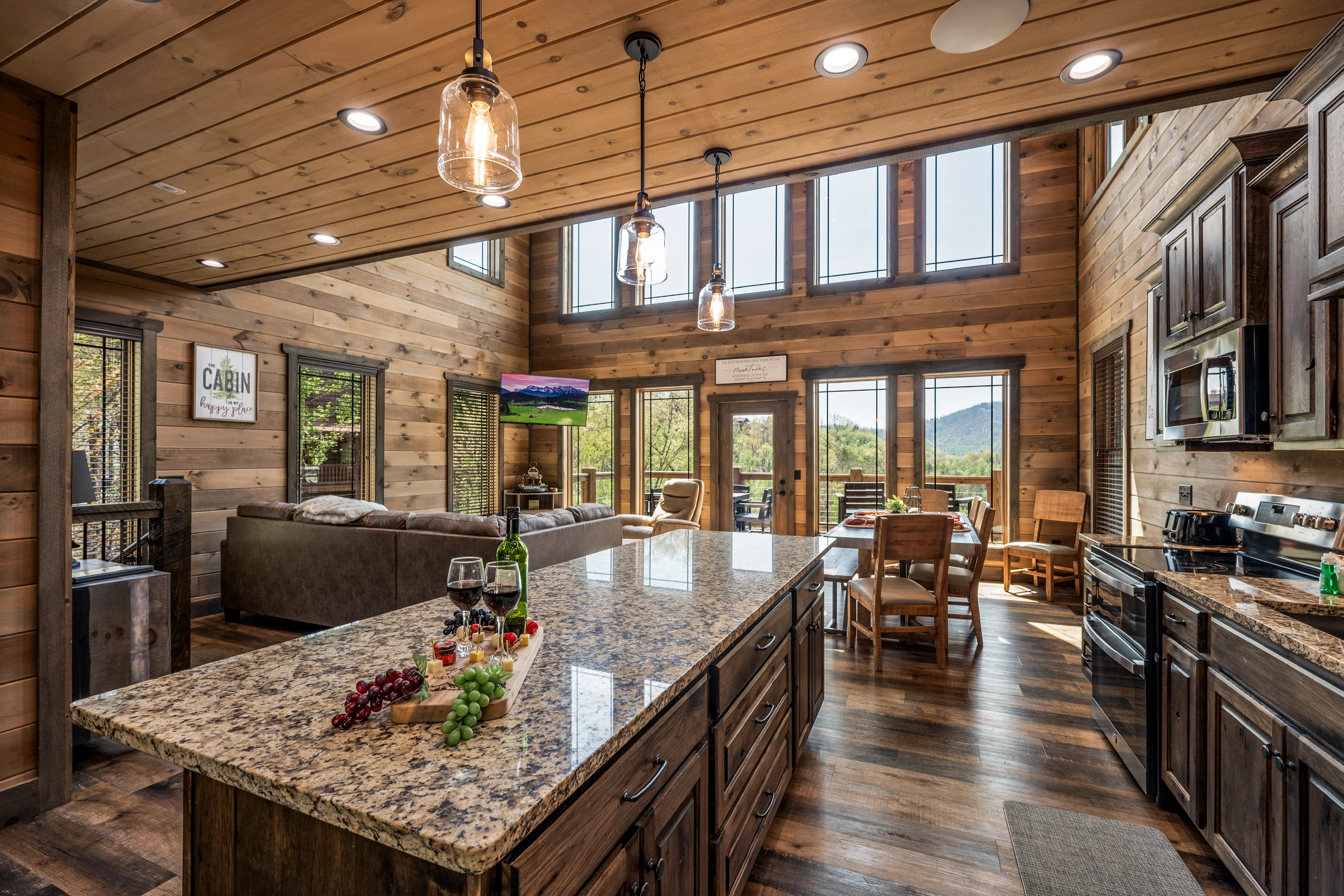
- 2 to 4 PM: Cabin downtime. Most Hemlock Hills properties have fully equipped kitchens and outdoor grills. This is a good time to use specialty-shop ingredients or simply rest before dinner.
- 7 PM: Dinner reservation. The Peddler Steakhouse for a classic Certified Angus experience, or The Greenbrier for a more adventurous Appalachian-modern menu. Both require advance reservations on weekends.
Travelers staying in Sevierville-area properties like Smoky Mountain Serenity Lodge, located just outside Sevierville with easy access to both Gatlinburg and Pigeon Forge, can reach downtown Gatlinburg dining in roughly 20 to 25 minutes, making this food itinerary fully workable from any of the Hemlock Hills properties in the corridor.
Is Gatlinburg Good for Families with Picky Eaters?
Gatlinburg is exceptionally well-suited for families with varied food preferences because the dining range is unusually broad for a town of its size. The same two-block stretch of the Parkway that offers a game-meat tasting menu also has wood-fired pizza at Best Italian Cafe and Pizzeria and straightforward sandwiches at Tennessee Jed’s for travelers who want something simple.
Kids who do not eat Southern food will have no trouble finding burgers, pizza, or pasta. Families with adventurous eaters can use this trip to introduce children to Smoky Mountain trout, hand-rolled cornbread, and banana pudding made fresh daily. The casual counter-service format at many spots, including the moonshine shops where non-drinkers can try fruit lemonades and ciders, keeps the experience fun for mixed groups.
For large groups cooking at least some meals in the cabin, properties like Views Fore Days, which accommodates up to 16 guests and includes a fully equipped kitchen, make it easy to balance restaurant outings with cabin meals. The fully stocked kitchen at the Smoky Mountain Serenity Lodge includes a marble countertop workspace and a blender, wine glasses, and a full range, giving families room to prepare breakfasts and snacks between restaurant excursions.
Frequently Asked Questions About Gatlinburg Food
What is Gatlinburg, TN most known for in terms of food?
Gatlinburg is most known for Smoky Mountain trout, thick-cut pancakes, Appalachian stack cake, slow-smoked BBQ ribs, and moonshine. The town’s food identity is rooted in Southern Appalachian cooking traditions that rely on mountain-sourced ingredients like freshwater fish, dried apples, sorghum, and hickory-smoked meats. Downtown Gatlinburg’s Parkway is home to multiple dedicated distilleries, pancake houses, and barbecue restaurants, making it one of the most food-focused small towns in Tennessee.
What is Appalachian stack cake and where can I find it in Gatlinburg?
Appalachian stack cake is a multi-layer regional dessert made with thin sorghum-sweetened cake layers filled with spiced apple butter or dried-apple preserves. It originated as a communal dish for weddings, with each guest contributing one layer. In Gatlinburg, stack cake appears most reliably at specialty bakeries, country-cooking restaurants, and fall festival food vendors during events like the Smoky Mountain Harvest Festival. It is harder to find than pancakes or barbecue, so ask specifically when you see a bakery or country kitchen on your route.
Is there good seafood in Gatlinburg, TN?
Yes, Gatlinburg has a serious seafood option in Chesapeake’s Seafood Restaurant, which specializes in oysters, shrimp, lobster, and crab in a format comparable to coastal seafood houses. Smoky Mountain trout, a local freshwater fish from streams in the national park, is available at many Gatlinburg restaurants and is the most distinctly regional seafood option. For casual fresh-catch dining, trout is the better choice over imported shellfish.
What should I order at The Peddler Steakhouse in Gatlinburg?
The Peddler Steakhouse is known for Certified Angus Beef steaks and a salad bar that regulars describe as one of the best in the region. Order a mid-weight cut like a ribeye or New York strip to get the most from the beef quality. The salad bar is included with entrees and is not a throwaway feature: take time with it. Make reservations two to three weeks in advance for fall foliage season visits, as the restaurant fills quickly in October.
What time should I arrive at Crockett’s 1875 Breakfast Camp to avoid a wait?
Arrive before 9 AM on weekdays and before 8:30 AM on weekends to minimize your wait at Crockett’s 1875 Breakfast Camp. Weekend morning waits between 9 AM and 11 AM regularly run 30 to 45 minutes during summer and fall foliage season. The restaurant is known for ultra-thick griddlecakes and Southern breakfast dishes like Corned Beef Hash Benedict and Pan-Fried Pork Chops. If the wait is long, The Donut Friar opens at 5 AM daily and offers cinnamon bread and pastries as a strong early alternative.
Are there gluten-free dining options in Gatlinburg?
Gatlinburg has gluten-free options at several restaurants, with Local Goat being among the most accommodating for modified preparations including gluten-free burger options and salads. Travelers with celiac disease or serious gluten sensitivity should communicate clearly at the start of the meal, as high-volume tourist kitchens frequently share fryer oil between gluten-containing and gluten-free items. The fine-dining tier, including The Greenbrier Restaurant, generally offers better gluten-free accommodation than casual counter-service spots on the Parkway.
What are the best moonshine flavors to try in Gatlinburg?
Apple pie, blackberry, peach, and cinnamon heat are the most popular moonshine flavors at Gatlinburg’s Parkway distilleries, and all four are good starting points for first-time tasters. The apple pie variety is the most distinctly regional, connecting directly to the Appalachian orchard tradition. Most distilleries offer free or low-cost tasting flights, and you are not required to purchase after tasting. Weekday visits between Tuesday and Thursday offer the shortest tasting room waits.
How far is Gatlinburg food and dining from Hemlock Hills cabin rentals?
Distance from Hemlock Hills properties to Gatlinburg dining varies by property. Cabins in the Gatlinburg area, including The Spirit Bear in the Arts and Crafts Community, are within 10 minutes of downtown Gatlinburg restaurants. Sevierville-area properties like Smoky Mountain Serenity Lodge are typically 20 to 25 minutes from Gatlinburg’s Parkway dining district. Pigeon Forge properties such as Wandering Oak are 1.5 miles from The Old Mill Restaurant and roughly 15 to 20 minutes from Gatlinburg. Review individual property locations when planning your dining itinerary.
What to Eat in Gatlinburg: The Short Answer for 2026
Gatlinburg, TN is known for a distinctive Appalachian food tradition built on Smoky Mountain trout, Southern fried chicken, slow-smoked barbecue, cast-iron cornbread, banana pudding, Appalachian stack cake, and moonshine. These are not generic Southern dishes: they reflect the specific geography, history, and agricultural heritage of East Tennessee’s mountain communities.
In 2026, the Gatlinburg dining scene offers more range than at any point in the town’s history, with game meat restaurants, craft distilleries, serious steakhouses, and specialty food shops filling the gaps between the pancake houses and barbecue pits that have defined the Parkway for decades. The key is planning ahead: breakfast spots fill fast, fine-dining reservations are essential in fall, and moonshine tastings are best on weekdays.
Start with the trout. Try the stack cake before you leave. Buy a loaf of cinnamon bread from The Donut Friar on your last morning. And if the food makes you want to stay longer, the right cabin makes a difference. Having a full kitchen, a grill on the deck, and space to spread out means you can balance restaurant splurges with relaxed cabin meals and stretch every food experience further.
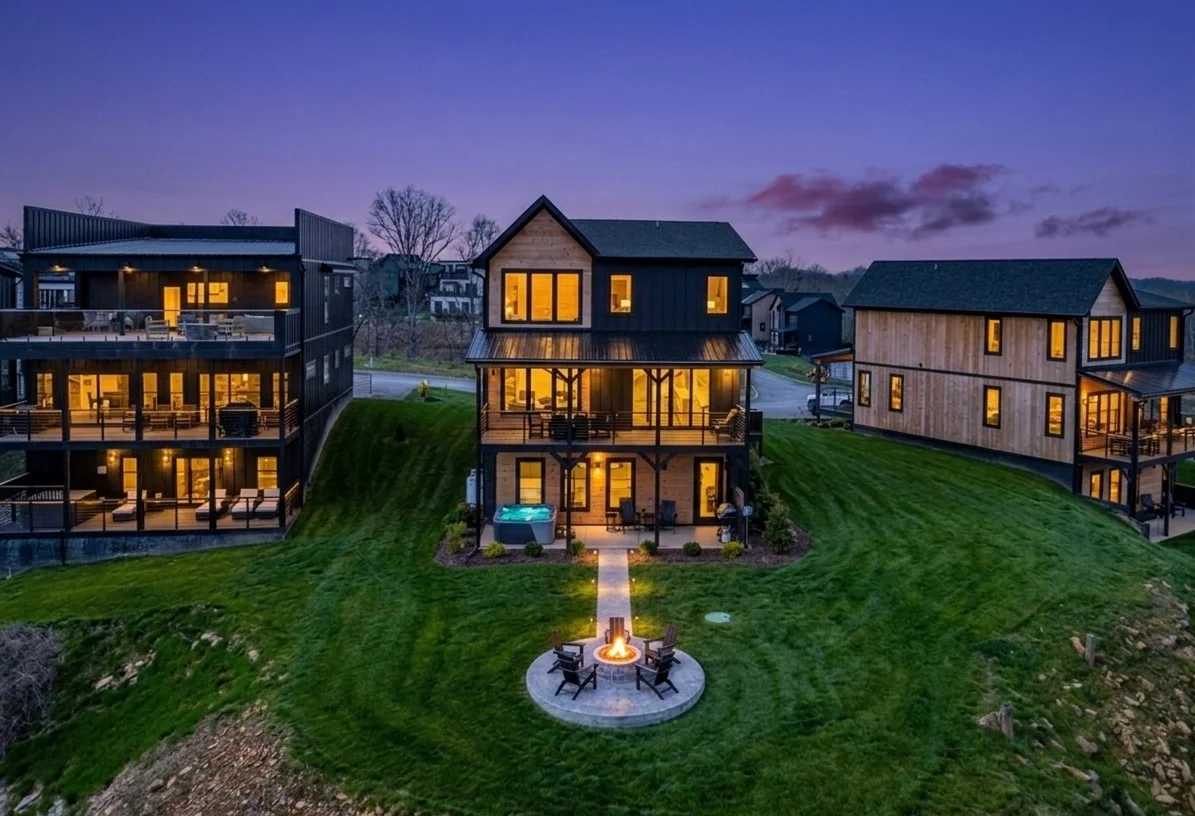
If you are planning a food-focused trip to the Smokies and want a base with a fully equipped kitchen, an outdoor grill, and easy access to Gatlinburg’s best restaurants, Smoky Mountain Serenity Lodge includes a gourmet marble kitchen stocked with cooking basics and a BBQ grill on the rooftop terrace. It sits just outside Sevierville, roughly 20 minutes from downtown Gatlinburg, making it a practical home base for a full multi-day food itinerary. Browse the full range of Hemlock Hills cabin rentals to find the property that fits your group and your Smokies food adventure.