
The best time of year to visit Gatlinburg, TN is almost certainly not when you’re planning to go. Most visitors target October for fall foliage or July for summer adventure, and they pay for that choice in bumper-to-bumper traffic on the Parkway, hour-long waits at popular restaurants, and cabin rates that can run double what the same property costs six weeks earlier. Understanding which windows to avoid, and which shoulder-season weeks offer the most value, is the single most useful thing you can know before booking a Smoky Mountains trip in 2026.
- Mid-October is the single most crowded and expensive week of the year in Gatlinburg, with foliage-peak traffic making the Parkway nearly impassable on weekends.
- The Fourth of July weekend and Spring Break week (typically mid-March) rival October for crowds but without the scenic payoff.
- Late January through early February is the quietest and cheapest period, with cabin rates often 30-40% below summer peaks, according to local STR market data.
- Early September offers fall-like temperatures (highs in the upper 70s Fahrenheit) with significantly fewer visitors than October, making it one of the best-value windows of the year.
- The Sevierville STR market logged an average daily rate of $376.60 in 2026, per AirDNA, but rates vary dramatically by week, with off-peak periods offering far better value.
- Parking in downtown Gatlinburg is a genuine logistical challenge during peak periods; the Gatlinburg Welcome Center parking structure on Highway 441 is the most reliable option when lots along the Parkway fill by mid-morning.
Sevier County welcomed close to $4 billion in visitor spending in 2026, according to Tourism Economics and the Tennessee Department of Tourist Development, making the Smoky Mountains one of the most visited destinations in the entire southeastern United States. That popularity is a double-edged sword. The same mountain scenery, cabin culture, and proximity to Great Smoky Mountains National Park that draws millions of visitors also produces gridlock conditions during the wrong weeks. This guide flips the standard seasonal advice on its head, identifying specifically which dates to avoid and where the real value windows are hiding in 2026.
At Hemlock Hills Cabin Rentals, managing properties across Gatlinburg, Pigeon Forge, and Sevierville means watching these crowd and pricing patterns play out week after week. What follows is honest, specific guidance that most cabin companies will not give you because it might talk you out of a peak-season booking. We would rather help you plan a trip you actually enjoy than see you stuck in traffic on the Parkway on a Friday in October.
Which Weeks Should You Absolutely Avoid in Gatlinburg?
The worst times to visit Gatlinburg, TN cluster around three distinct windows: peak October foliage weekends, the Fourth of July holiday, and Spring Break week in mid-March. Each period combines maximum visitor volume with elevated pricing and, critically, logistical headaches around parking and traffic that most travel guides never address.
Mid-October: The Foliage Trap
Fall foliage in Gatlinburg typically peaks between mid and late October, driven by the town’s elevation in the Appalachian Mountains. The color display is genuinely spectacular, and the Gatlinburg Harvest Festival draws additional visitors on top of the already-swelling autumn crowd. But “peak” means the Parkway through downtown can back up for miles on Saturday mornings. Parking structures fill before 10am. Restaurants that normally seat you in 20 minutes quote two-hour waits. Cabin nightly rates during the second and third weekends of October frequently reach their annual highs.
The traffic problem is structural, not incidental. A single two-lane road, Highway 441, carries most of the vehicle traffic entering Gatlinburg from Pigeon Forge. When tens of thousands of visitors arrive simultaneously, there is simply no alternative route. If you must visit during foliage peak, arrive on a Wednesday or Thursday, not Saturday, and plan to park once for the entire day rather than moving your vehicle.
Fourth of July Weekend
Summer is far and away the most popular season in Gatlinburg. July heat brings families out of school and into the mountains, seeking the slightly lower temperatures that Gatlinburg’s elevation provides compared to the Tennessee flatlands. But the Fourth of July long weekend compresses that summer demand into four days, producing crowd levels that rival October without the foliage payoff. Fireworks viewing spots along the Parkway fill hours in advance. River tubing operations like Smoky Mtn River Rat run at full capacity. Advance restaurant reservations are not a convenience during this period; they are a necessity.
Spring Break: Mid-March
Spring Break timing varies by school district but the bulk of Tennessee, Georgia, and Carolinas families tend to concentrate in mid-March. This period combines school-holiday crowds with unpredictable weather, since March temperatures in Gatlinburg range from the 40s to the low 60s Fahrenheit and rain is common. You get peak-season pricing without peak-season conditions. Skip it entirely if your schedule allows.
The Gatlinburg Winterfest Lighting Surge
Winterfest, Gatlinburg’s extended holiday light display running from November through February, is genuinely beautiful and draws visitors who would otherwise skip the colder months. The opening weekends of Winterfest in November see a noticeable crowd surge that catches many visitors off-guard. If you want the holiday atmosphere without the November opening rush, target the last two weeks of January or early February instead.
What Is the Cheapest Month to Visit Gatlinburg?
The cheapest month to visit Gatlinburg, TN is January, specifically the period from the second week of January through mid-February, which represents the quietest and most affordable window in the entire Smoky Mountains calendar. Cabin rates during this stretch can run 30-40% below summer peak levels, and weekday availability is abundant even at properties that require months of advance booking in October.
According to AirDNA market data for the Sevierville short-term rental market (which encompasses properties serving Gatlinburg), the average daily rate across the market is $376.60, but that figure masks enormous seasonal variation. January and February sit well below that average, while October and July push significantly above it. For travelers with flexible dates, the late January to early February window is the single best combination of low pricing, minimal crowds, and genuine activity options.
What can you actually do in Gatlinburg in January? More than most people expect. Ober Mountain offers skiing and snowboarding, with conditions that rank among the best available in the eastern United States during good snow years. The indoor ice skating rink at Ober operates regardless of snow conditions. Ripley’s Aquarium of the Smokies sees its shortest wait times of the year. And a private cabin hot tub in 28-degree air while snow sits on the forest floor is an experience that summer visitors simply cannot buy.
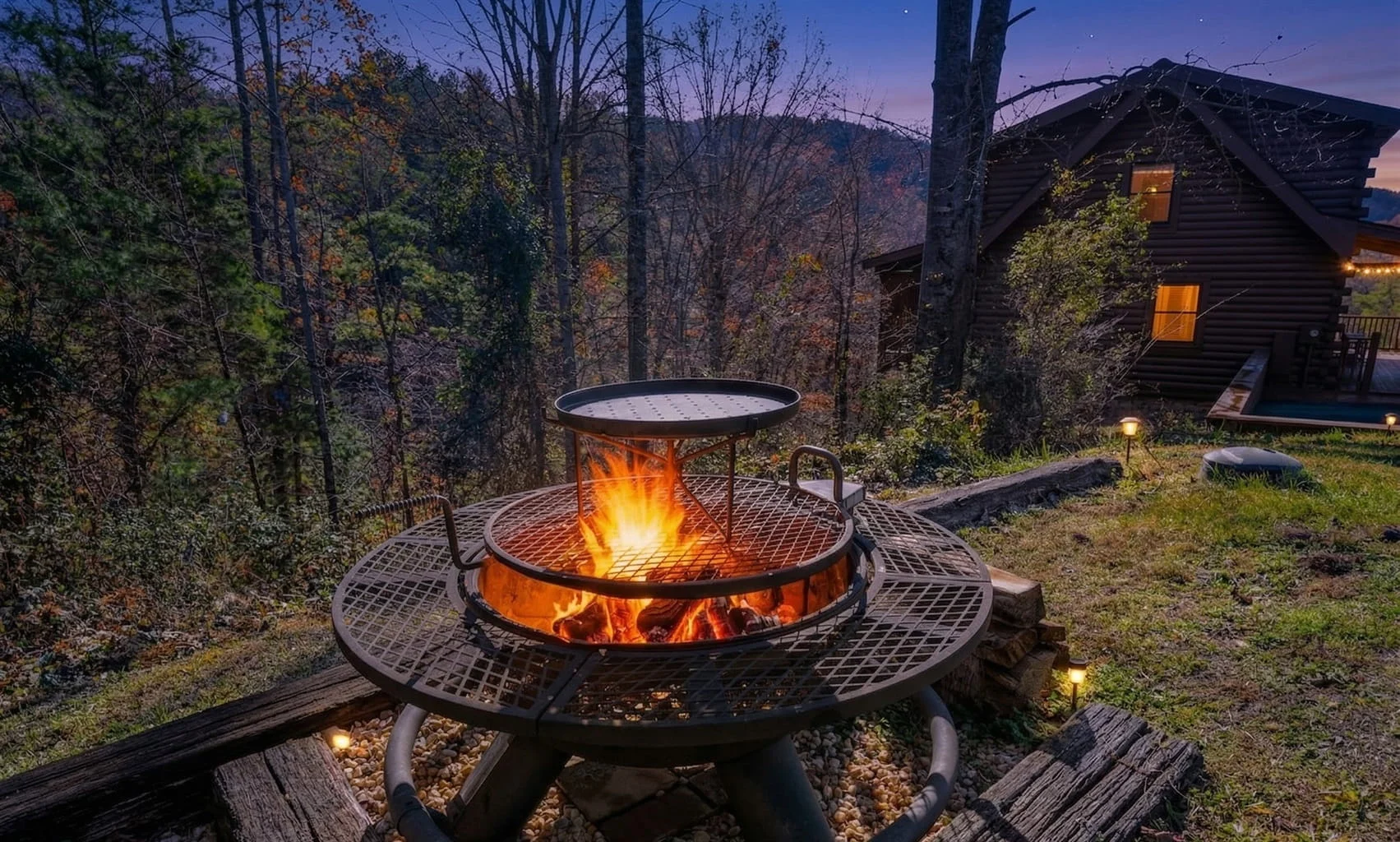
Cabins like Forest Creek Retreat in Sevierville are particularly well-suited to winter stays. The two-bedroom property’s covered decks and fire pit become the focal point of a winter evening, and the multicade arcade keeps the group entertained when temperatures drop. The propane fireplace in the living area is not a decorative element in January; it becomes the center of the cabin’s social life.
Why Is Early September the Real Sweet Spot for Gatlinburg?
Early September is the best-kept seasonal secret for visiting Gatlinburg, TN, offering near-fall temperatures, the beginning of foliage color at higher elevations, and visitor numbers that sit noticeably below the October rush. Highs typically run between 72 and 78 degrees Fahrenheit, the summer crowds have thinned as families return to school, and cabin rates have not yet climbed to their October peaks.
The foliage question is worth addressing directly. Color in the Smokies starts at the highest elevations, around Clingmans Dome and the ridge lines above 5,000 feet, as early as mid-September. By late September, color is visible at mid-elevations. You will not see the valley-level explosion of October color in early September, but you will see something, and you will see it without sharing every overlook with hundreds of other visitors.
The broader Gatlinburg fall events calendar begins ramping up in September, with live music and seasonal programming in downtown’s common spaces starting before October’s peak festival period. Restaurants are fully operational but not overwhelmed. Hiking trails like Laurel Falls, which can feel like a parade route on a Saturday in October, are manageable on September weekdays.
For families, September has one practical advantage that travel guides consistently overlook: summer activity operators, including whitewater rafting providers like Smoky Mtn River Rat, are still running full schedules through mid-September. You get summer activities at shoulder-season crowd levels. That combination disappears by October when water temperatures drop and some operators scale back.
Guests staying at The Spirit Bear in Gatlinburg’s Arts and Crafts Community are positioned exceptionally well for a September visit. The cabin sits 0.6 miles from the Parkway and 2.1 miles from the Great Smoky Mountains National Park entrance, meaning you can be on a trailhead before the day-tripper traffic builds. The covered decks and private fire pit extend comfortable outdoor time into the September evenings when temperatures drop pleasantly after sunset.
What to Avoid in Pigeon Forge? (And Why It Affects Gatlinburg)
Pigeon Forge traffic directly impacts Gatlinburg visits because Highway 441, the primary connector between the two towns, becomes a single point of failure during major Pigeon Forge events. Understanding what to avoid in Pigeon Forge is as important as understanding Gatlinburg’s own crowd calendar, because even a quiet Gatlinburg day can be ruined by a 90-minute drive from a Pigeon Forge traffic jam.
Specific Pigeon Forge events and periods that produce significant spillover traffic into Gatlinburg include:
- Dollywood’s Flower and Food Festival (typically late April through early June): Dollywood is one of the most-visited theme parks in the southeastern United States, and its themed festival weekends push the Parkway traffic to levels comparable to October foliage.
- Pigeon Forge Spring Nationals and automotive events (typically May): Car show weekends draw an enormous number of visitors and significantly reduce parking availability across both cities.
- Smoky Mountain Harvest Festival in Pigeon Forge (late September through October): This overlaps directly with Gatlinburg’s own fall programming, creating a combined seasonal surge that affects every road between the two cities.
- Dollywood’s Smoky Mountain Christmas (November through early January): The Christmas season at Dollywood is spectacular, but it ensures that weekends from mid-November through New Year’s are heavily congested. If your goal is a peaceful winter cabin trip, target January after the Dollywood Christmas season ends.
The honest answer to the Pigeon Forge question is that the entire Parkway corridor between Sevierville, Pigeon Forge, and Gatlinburg operates as a single traffic system. When one city draws a major event, the others feel it. Plan your calendar around the full corridor, not just your specific destination.
Groups visiting the area will find that cabins with strong amenity packages reduce the pressure to drive out every single day. Views Fore Days in Sevierville, a five-bedroom property sleeping up to 16 guests with a private heated indoor pool, a six-seat home theater, and a game room with pool table, arcade, and shuffleboard, is specifically designed for days when you decide the Parkway is not worth it. Staying put becomes its own form of entertainment.
Which Is Nicer, Gatlinburg or Pigeon Forge?
Gatlinburg and Pigeon Forge serve fundamentally different purposes, and calling one “nicer” depends entirely on what you want from the trip. Gatlinburg is a mountain town with a walkable downtown, direct National Park access, and an arts and crafts community that predates the tourism industry. Pigeon Forge is an entertainment corridor built around commercial attractions, outlet shopping, and Dollywood, with limited walkability but exceptional convenience for families with young children.
Gatlinburg’s advantages are specific. The town sits at the park entrance, meaning trailheads for popular hikes like Alum Cave Trail and Laurel Falls are within a short drive of most properties. The downtown Parkway, while congested during peak periods, is pedestrian-friendly enough to walk for an evening without a car. The Arts and Crafts Community on East Parkway represents one of the largest collections of independent craft studios in the United States, which is genuinely different from what you find anywhere else in Tennessee.
Pigeon Forge’s advantages are also specific. The density of family attractions means you can cycle through Dollywood, The Island, WonderWorks, and dinner shows over several days without the logistical complications of mountain driving. The Parkway is heavily commercial but that is precisely its appeal for families who want structured entertainment rather than outdoor exploration.
The practical answer: if your trip centers on hiking, outdoor experiences, or a quieter mountain atmosphere, stay closer to Gatlinburg. If your trip centers on theme parks, live shows, and kids’ attractions, Pigeon Forge gives you easier access. Most Hemlock Hills properties sit between the two cities in Sevierville, providing reasonable drive times to both without paying the Gatlinburg-address premium on cabin rates.
Gatlinburg Enchantment, situated in the Hemlock Hills Resort community with walking distance to the Arts and Crafts Community and 1.8 miles from downtown Gatlinburg, is the right choice for visitors whose trip centers on the town itself. Smoky Mountain Sequoia in Pigeon Forge, just 1.2 miles from the Parkway with a private indoor heated pool and game room, serves the family-attraction crowd better. These are genuinely different experiences, not just different addresses.
What Is the Number One Thing to Do in Gatlinburg, Tennessee?
The number one thing to do in Gatlinburg, Tennessee, by visitor volume and consistent recommendation, is exploring Great Smoky Mountains National Park, which borders the town directly and offers trail access for every skill level, from the paved half-mile Sugarlands Valley Nature Trail to the demanding 11-mile round trip to the summit of Mount LeConte. The park is free to enter, which makes it the most accessible major attraction in the region and explains why it consistently ranks as the most-visited national park in the United States.
That said, the National Park Service reports that visitation to Great Smoky Mountains National Park exceeds 12 million visits annually, and those visitors are not evenly distributed across the calendar. The crowd implications for planning are significant. On a Saturday in October, the Cades Cove Loop Road, which the NPS describes as the best family-friendly wildlife-viewing area in the park, can see vehicles backed up for miles waiting to enter. The same loop on a Tuesday morning in late January is nearly empty.
Practical planning specifics that most guides skip: the Cades Cove Loop is closed to motor vehicles on Wednesdays and Saturdays until 10am from early May through late September, making those mornings ideal for cycling. The Alum Cave Trail, one of the most popular moderate hikes in the park, fills its roadside parking area by 8am on summer weekends. Arriving before 7:30am is not an exaggeration if you want a guaranteed spot. And the Sugarlands Visitor Center, just inside the park entrance from Gatlinburg, is the correct first stop for current trail conditions and bear activity reports before heading to any trailhead.
Guests at Mountain View Manor in Gatlinburg’s Chalet Village have a specific logistical advantage here. The property sits 0.5 miles from the Great Smoky Mountains National Park boundary, which means early morning trail access before day-tripper traffic builds is genuinely achievable. The 3,800 square-foot cabin also provides a comfortable base to return to after a long trail day, with multiple decks, a hot tub, and a home theater to decompress in the evenings.
What Are the Real Pricing Differences Between Peak and Off-Peak Visits?
Cabin pricing in the Gatlinburg and Sevierville area follows a predictable seasonal curve, but the magnitude of the swings is larger than most first-time visitors anticipate. The Sevierville STR market carries an average daily rate of $376.60 across all property types and seasons, per AirDNA 2026 market data, but that average smooths over peaks that run 50-80% higher and valleys that run 30-40% lower.
| Period | Relative Pricing | Crowd Level | Best For |
|---|---|---|---|
| Mid-October (foliage peak) | Highest of year | Maximum | Avoid if budget-sensitive |
| July 4th weekend | Very high | Maximum | Avoid if crowds bother you |
| June, July, August (weekends) | High | Heavy | Families with school-age kids |
| Early September | Moderate | Light to moderate | Best overall value |
| Spring (April, May) | Low to moderate | Light (avoid Spring Break week) | Wildflowers, budget travel |
| January, early February | Lowest of year | Minimal | Couples, ski trips, deep savings |
One pricing nuance that even experienced Smoky Mountains visitors miss: weekday versus weekend differentials within the same month can be as significant as month-to-month differences. A three-night Sunday-through-Wednesday stay in October often costs less than a two-night Friday-Saturday stay the same week. If your schedule allows weekday travel, the savings compound across both nightly rates and restaurant wait times.
Spring specifically deserves more credit than it receives. March through May brings wildflower blooms throughout the park, mild temperatures in the 50s to low 70s Fahrenheit, and accommodation rates that reflect the historically lighter demand. April is the wildflower peak at lower elevations, with trilliums and violets carpeting the trail margins. The caveat: avoid the specific Spring Break week (check your regional school calendar), which spikes demand temporarily before dropping back to shoulder-season levels.
Couples seeking a winter escape will find Chapel Falls in Gatlinburg particularly well-suited to the off-peak experience. This one-bedroom luxury chalet, converted from an actual mountain wedding chapel with 16-foot vaulted ceilings and a private waterfall, sits six minutes from downtown Gatlinburg and is at its most atmospheric during quiet January evenings. The string-lit hot tub and private waterfall do not require fall foliage to make an impression.
Practical Tips for Navigating Gatlinburg Traffic and Parking
Gatlinburg traffic management is a specific skill set that no competitor guide bothers to teach, and it makes a material difference in whether your trip feels enjoyable or exhausting. The core problem is simple: Highway 441 is the only road in and out of downtown Gatlinburg from the north, and it narrows to two lanes as it enters the Parkway. When 50,000 visitors arrive over a fall weekend, that road becomes a linear parking lot.
Specific strategies that genuinely work:
- Use the Gatlinburg Welcome Center parking structure on Highway 441 before you enter downtown. It is typically the last lot to fill and saves you from circling the Parkway looking for spots.
- Park once and use the Gatlinburg trolley system during peak periods. The trolley network connects major parking areas to the Parkway and runs frequently enough to make car-free exploration practical.
- Arrive before 9am or after 4pm on peak weekends. Traffic patterns show a consistent mid-morning surge as day-trippers arrive from area hotels and cabins. The first two hours after sunrise and the early evening window after day-trippers leave are dramatically more navigable.
- For National Park access, use the Greenbrier or Cosby entrances on the eastern side of the park as alternatives to the Sugarlands entrance from Gatlinburg. These entrances see a fraction of the traffic on peak weekends and provide access to excellent, less-crowded trails.
- Build in an extra 45-60 minutes of drive time for any trip between Pigeon Forge and Gatlinburg on fall and summer weekends. The 11-mile drive between the two cities can take 90 minutes on a bad October Saturday. This is not an exaggeration.
The most honest parking advice: if your priority is hiking in the national park, staying in a property with trail proximity eliminates the morning traffic problem entirely. A Southern Point of View in Gatlinburg’s Cobbly Nob community sits 0.3 miles from the Cataract Falls trailhead and 1.2 miles from the Laurel Falls Trail, meaning guests can be on a major trail before day-tripper traffic from Pigeon Forge has even reached the Parkway. The three-king-bed cabin also gives adult groups a comfortable, resort-secured base with 70-plus game arcade, community pool access, and wooded hot tub views for evenings back at the property.
Frequently Asked Questions
What is the absolute worst weekend to visit Gatlinburg in 2026?
The second or third weekend of October, when fall foliage hits its peak in the valleys around Gatlinburg, consistently produces the heaviest crowds, highest cabin rates, and worst traffic conditions of the year. The combination of the Gatlinburg Harvest Festival programming and peak leaf color draws more visitors than any other single window. If you must see fall foliage, target early October or late September instead, when color is developing at higher elevations but valley-level crowds are significantly lighter.
How much cheaper is Gatlinburg in January versus October?
Cabin rates in the Sevierville and Gatlinburg STR market typically run 30-40% below peak October levels during January and early February, based on the average daily rate data tracked by AirDNA for the Sevierville market. Specific savings vary by property size and amenities, but the direction is consistent: January is the cheapest month in the calendar, and the gap between October peak and January off-peak is among the largest seasonal differentials in any Tennessee mountain destination.
Is Gatlinburg worth visiting in the summer despite the crowds?
Summer in Gatlinburg is worth it for specific types of travelers, particularly families with school-age children who cannot travel outside traditional vacation windows. Gatlinburg’s elevation provides temperatures roughly 10-15 degrees Fahrenheit cooler than Nashville or Knoxville, making summer heat more manageable than in the flatlands. But go in on weekdays whenever possible, make dinner reservations in advance, and plan National Park hikes for early morning before day-tripper traffic builds. The whitewater rafting and river tubing season is also at its best in June and July.
Does Gatlinburg get snow, and is winter driving safe?
Gatlinburg does receive snow, most reliably in January and February, but the frequency and depth vary considerably by year. The mountain roads leading to many cabin communities can become slick during and after snowfall, and some steeper driveways require four-wheel drive or chains during icy conditions. Most cabin management companies, including Hemlock Hills, flag properties with steep driveways in their listings. Ober Mountain typically maintains skiable conditions from mid-December through early March, with snowmaking supplementing natural snowfall.
What is Spring Break week in Gatlinburg like, and should I avoid it?
Spring Break in Gatlinburg, typically concentrated in the second or third week of March depending on regional school calendars, produces crowd levels comparable to peak summer weekends but with March’s unpredictable weather, including rain and temperatures that can swing from the 40s to the low 60s Fahrenheit within a single week. Cabin rates during Spring Break spike to near-summer levels. Unless you have a compelling reason to go during that specific week, late April or early May offers better weather, lower rates, wildflower blooms, and noticeably lighter traffic.
Are there good reasons to visit during Gatlinburg’s Winterfest even with the crowds?
Winterfest, Gatlinburg’s holiday light display running from November through February, is genuinely impressive and worth experiencing. The strategic move is to target mid-January through early February, after the December holiday rush and Dollywood’s Smoky Mountain Christmas season have subsided. You get the full Winterfest light display with winter-low cabin rates and minimal competition for restaurant tables. The November opening weeks and the stretch from Christmas through New Year’s are the Winterfest periods to avoid if crowd minimization is your goal.
Can I find last-minute availability in Gatlinburg, and when does it happen?
Last-minute availability in the Gatlinburg and Sevierville cabin market appears most reliably in January, February, and weekday windows throughout the spring shoulder season. The Sevierville STR market has over 13,200 total available listings, per AirDNA 2026 data, which means supply is substantial outside of peak dates. For fall foliage peak and major summer holiday weekends, last-minute availability is rare and last-minute pricing is not discounted. The best strategy for popular dates is booking 90-120 days in advance; for January through early March, 2-4 weeks is typically sufficient.
Plan Your Smoky Mountains Trip Around the Right Weeks
The best time of year to visit Gatlinburg, TN in 2026 is not October, and it is not the Fourth of July. For most travelers, the genuine sweet spots are early September, late April into May, and the January-to-early-February window for those who want maximum savings and minimum competition. These periods offer the same mountains, the same cabins, the same national park, and the same small-town character at a fraction of the crowd load and pricing pressure.
Sevier County tourism generated nearly $4 billion in visitor spending in 2026 because this destination has real, year-round appeal. But most of that spending concentrates in predictable peak windows, which means the off-peak weeks offer disproportionate value. You get the experience without the gridlock. That trade is worth planning around.
Browse Hemlock Hills cabin rentals to find properties available during your target dates, and use the Smoky Mountain vacation planner to match your group size and preferred amenities to the right cabin before peak-date availability closes off your options.
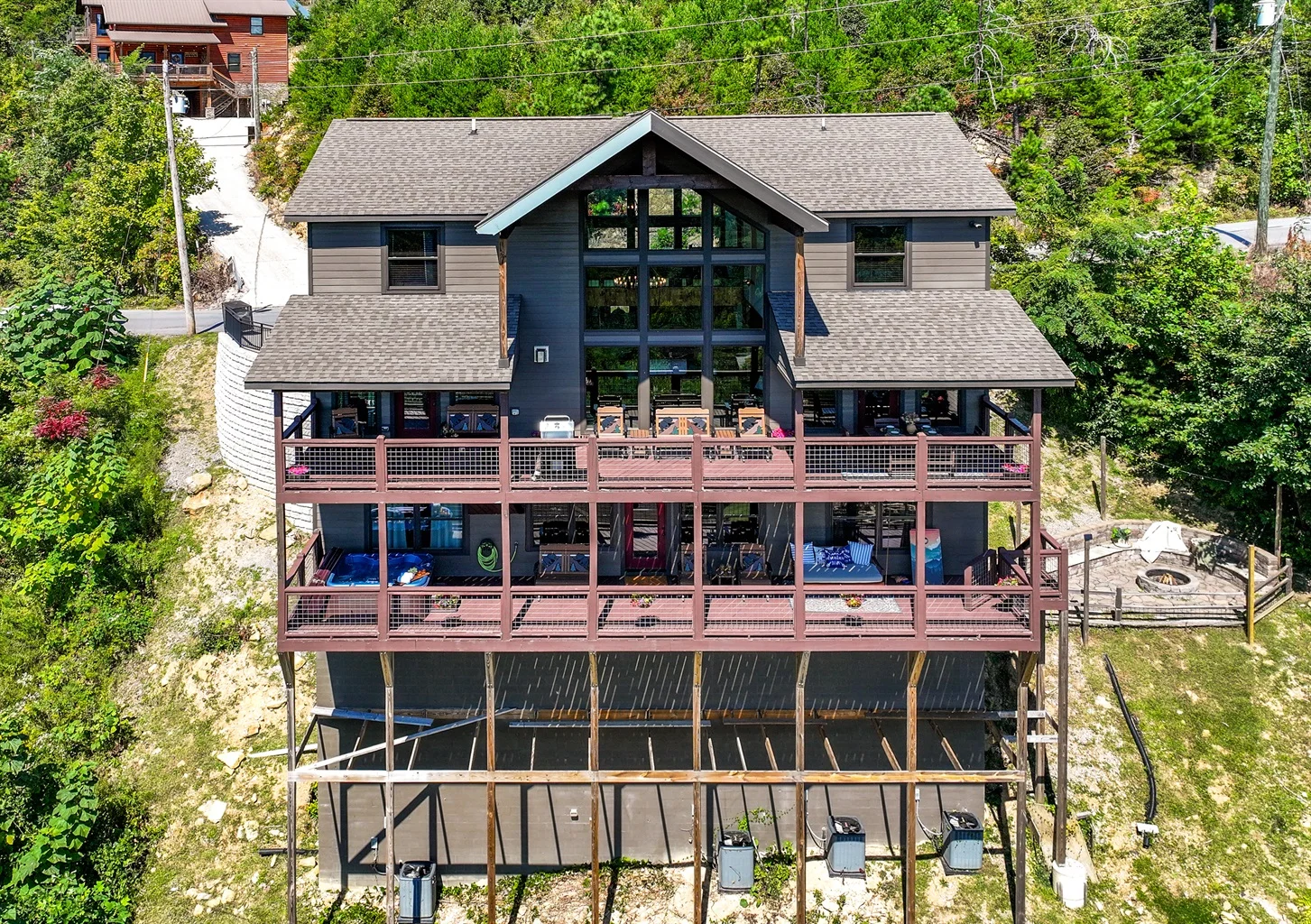
If your trip focuses on hiking, early mornings in the park, and evenings on a private deck, Mountain View Manor in Gatlinburg’s Chalet Village puts you 0.5 miles from the national park boundary with three resort clubhouses, a home theater, and a game room for days when the trails are crowded. Check availability at Mountain View Manor for your preferred dates and see how much the rate difference between peak and shoulder season actually adds up to.